
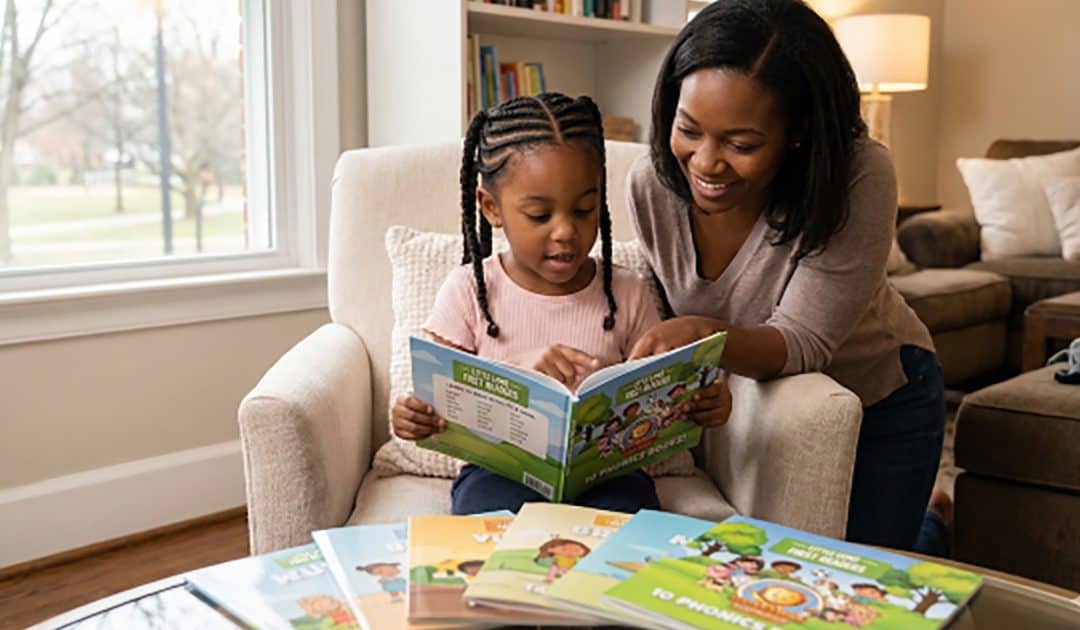
Building a strong reader is a lot like building a sturdy house. You can’t put up the walls and roof without first pouring a solid, level foundation. In literacy, that foundation is made up of several essential skills that must be taught systematically and in the right order. If a step is skipped or a concept isn’t fully mastered, cracks can begin to show later on. For many homeschooling parents, the biggest challenge is knowing what those foundational pieces are and how to fit them together correctly. This guide provides the expert homeschool reading help you need to become a confident builder, giving you the blueprint to literacy and ensuring your child’s reading skills are built to last.
Key Takeaways
- Start with a clear, systematic plan: Teaching reading is much easier when you follow a step-by-step curriculum. A structured literacy approach removes the guesswork by covering all essential skills in a logical order, which is especially helpful for kids who struggle.
- Make reading a positive experience: A child’s motivation is key, so focus on making reading fun and pressure-free. Read aloud every day, celebrate small wins, and stop lessons if frustration builds; your goal is to nurture a love for stories, not just teach a skill.
- Meet your child where they are: Pay attention to your child’s specific challenges to provide the right support. Use tools like decodable books to build confidence with early successes, and don’t hesitate to seek professional help from a reading specialist if you feel stuck.
What Essential Reading Skills Should You Teach?
Teaching your child to read is one of the most rewarding parts of homeschooling, but it can feel like a huge task. Where do you even begin? The key is to understand that reading isn’t a single skill but a combination of several essential components working together. Think of it like building a house: you need a solid foundation, sturdy walls, and a protective roof. Without all the pieces in place, the structure won’t be sound.
The most effective reading instruction, often called structured literacy, systematically teaches these core skills. This approach ensures no gaps are left in your child’s learning, which is especially important for children who may struggle with reading or have learning differences like dyslexia. By focusing on the five key pillars of reading, you can create a comprehensive plan that guides your child from sounding out their first letters to reading books with confidence and understanding. Let’s walk through each of these essential skills so you can feel prepared to lead the way.
Teach Phonemic Awareness
Before children can read words on a page, they need to be able to hear the sounds in spoken words. This is called phonemic awareness, and it’s the foundation for all other reading skills. It’s a listening skill, not a visual one, so you can practice it anywhere, anytime. Start by playing simple sound games. You can say a word like “cat” and ask your child, “What’s the first sound you hear in ‘cat’?” or play rhyming games by asking, “What word rhymes with ‘bug’?” Clapping out the syllables in names is another fun activity. Mastering these auditory skills first makes it much easier for a child to later connect those sounds to written letters.
Connect Letters to Sounds with Phonics
Once your child can hear the individual sounds in words, it’s time to introduce phonics. Phonics is the skill of connecting written letters to their corresponding sounds. A systematic, step-by-step phonics program is the most effective way to teach this because it introduces letter-sound relationships in a logical order. For example, a child learns a few sounds, like /s/, /a/, and /t/, and can immediately start blending them to read words like “sat” and “at.” This method, central to the Orton-Gillingham approach, gives children early wins and builds their confidence. You can reinforce these lessons with magnetic letters, flashcards, and by pointing out letters and sounds on signs as you go about your day.
Build a Rich Vocabulary
To understand what they read, children need to know what the words mean. Building a rich vocabulary is a crucial part of reading comprehension. While phonics helps a child decode a word like “enormous,” vocabulary knowledge is what allows them to picture something very, very big. The best way to grow your child’s vocabulary is by talking with them and reading to them often. When you encounter a new word in a book, pause and explain what it means in a kid-friendly way. Try to use that new word in conversation later in the day. Using a curriculum with engaging decodable books also helps introduce new words in a context they can understand.
Develop Reading Fluency
Reading fluency is the ability to read with accuracy, at a good pace, and with expression, much like how we talk. When a child reads fluently, they don’t have to spend all their mental energy decoding each word. Instead, their brain is free to focus on the story’s meaning. You can help your child build fluency through practice. Have them reread a favorite short story or a few pages from a book several times. With each reading, they’ll become smoother and more confident. Partner reading, where you take turns reading sentences or paragraphs aloud, is another great way to model fluent reading and make practice more fun and interactive.
Strengthen Reading Comprehension
The ultimate goal of reading is comprehension, which is understanding and interpreting the text. This skill goes beyond just reading the words; it’s about making meaning from them. You can start building comprehension skills from the very beginning by asking questions as you read together. Before starting a book, look at the cover and ask, “What do you think this story will be about?” During the story, pause and ask, “What do you think will happen next?” After you finish, have your child retell the story in their own words. These simple conversations help your child think actively about what they are reading, turning them from a passive reader into an engaged one. A complete homeschool reading curriculum will include activities specifically designed to check for and strengthen understanding.

How to Assess Your Child’s Reading Level
Before you can help your child become a confident reader, you need to know where they are right now. Assessing their reading level isn’t about assigning a grade or a label; it’s about finding the perfect starting point for your instruction. When you meet your child exactly where they are, you set them up for success, build their confidence, and make the entire learning process more enjoyable. Think of it as getting a map before you start a road trip. You need to know your current location to plot the best course forward.
Finding this starting point doesn’t have to be complicated or stressful. You can gather a lot of information just by observing your child, engaging in simple activities, and using tools designed to pinpoint their skills. By combining a few different approaches, you can get a clear picture of their strengths and the areas where they need a little more support. This knowledge will help you choose the right materials and strategies, ensuring that every lesson is effective and encouraging. Let’s walk through a few simple ways to figure out your child’s current reading abilities.
Recognize the Signs of Reading Readiness
One of the most important things you can do is wait until your child is ready and genuinely interested in reading. Pushing them too early can make learning feel like a chore and can damage their confidence before they even begin. Instead, look for natural signs of readiness. Do they enjoy being read to? Do they pretend to read books on their own, or ask what signs and labels say?
Other key indicators include showing an interest in letters and their sounds, being able to recognize their own name, and understanding that the text on a page tells a story. They might also start to notice rhyming words or be able to clap out the syllables in a word. These are all signs that their brain is getting wired for literacy. When you see this curiosity spark, you’ll know it’s a great time to start introducing more formal reading skills.
Use Informal Assessment Techniques
You can learn a lot about your child’s reading skills without ever giving them a formal test. Informal assessments are simple, low-pressure activities that you can weave into your daily routine. For example, when you’re reading a book together, ask your child to retell the story in their own words. This gives you insight into their reading comprehension.
You can also listen to them read a short passage aloud. Pay attention to how smoothly they read. Do they recognize common sight words, or do they try to sound out every single one? While learning sight words by rote isn’t the end goal, practicing them can reduce frustration. You can make it fun with flashcard games or a scavenger hunt. These simple observations will help you identify specific skills they’ve mastered and what they need to work on next.
Find Their Level with Placement Tests
When you’re ready to start a structured curriculum, a placement test is your best friend. These assessments are designed to quickly and accurately pinpoint your child’s exact skill level. Many homeschool reading programs offer free placement tests to ensure you begin at the right level, which is essential for building a strong foundation without overwhelming your child.
Using a placement test takes the guesswork out of the equation. Instead of wondering if a program is too easy or too hard, you’ll know for sure. For example, the structured literacy homeschool curriculum offers a free reading assessment to help you determine the best starting point in their Orton-Gillingham curriculum. This step ensures that the material is challenging enough to keep them engaged but not so difficult that it causes frustration, creating a positive and productive learning experience from day one.
What Are the Best Homeschool Reading Methods?
Teaching reading at home is about combining proven strategies. These methods work together to build strong, confident readers and make learning more effective and enjoyable. Here are four powerful approaches to get you started.
Embrace a Structured Literacy Approach
A structured literacy approach is a game-changer for kids who find reading tricky. Instead of guessing, children learn the rules of language in a clear, step-by-step way. This method explicitly teaches letter-sound connections, building from simple to complex concepts. A great program gets your child reading simple words after learning just a handful of sounds. This systematic process builds a solid foundation, giving kids the tools they need to decode words confidently. It’s a logical, research-backed way to teach that truly works.
Incorporate Multisensory Learning
Kids learn best when they engage multiple senses. Multisensory learning connects reading concepts to sight, sound, and touch. Your child might trace letters in a sand tray, build words with magnetic tiles, or clap out syllables. This hands-on approach makes abstract ideas feel concrete and easier to remember. It’s also incredibly engaging, which helps keep your child motivated. Methods like the Orton-Gillingham approach are built on this principle, creating stronger pathways for learning and retention.
Read Aloud Every Day
If you do only one thing, make it this: read to your child every day. This simple habit has a huge impact. It exposes them to new vocabulary, shows them what fluent reading sounds like, and helps them develop a love for stories. Let your child pick the book, even if it’s the same one for the tenth time. The goal is to make reading a warm, positive experience you share together. It’s one of the most powerful ways to build a reader.
Plan Interactive Reading Activities
Turn reading practice into playtime with interactive activities. This reinforces skills without the pressure of formal lessons. Play word-based board games like Scrabble, use sidewalk chalk to write sight words, or go on a letter hunt. Tap into your child’s interests by finding books about their favorite topics, whether it’s dinosaurs or space. Using engaging materials like Little Lions decodable readers for a scavenger hunt can make practice feel like a fun challenge instead of a chore.

How to Help a Struggling Reader at Home
Discovering that your child is struggling with reading can be a tough and emotional experience. It’s natural to feel worried or unsure of how to help. The good news is that with the right approach and a little patience, you can provide the support your child needs to become a confident, capable reader. The key is to move from general reading practice to targeted, intentional support that addresses their specific challenges. By identifying the root of the issue and using proven strategies, you can turn frustration into progress and help your child build a positive relationship with reading.
Identify Common Reading Difficulties
Before you can help, you need to understand what you’re working with. Teaching literacy is hard, and it’s even harder when you’re not sure where to begin. Start by observing your child to pinpoint the specific areas where they struggle. Do they have trouble recognizing rhymes or separating sounds in words? Maybe they struggle to sound out new words, frequently guess based on the first letter, or confuse letters like ‘b’ and ‘d’. Other common signs include a slow, choppy reading pace or difficulty remembering and explaining what they just read. Recognizing these patterns is the first step toward finding a solution that truly helps them. Understanding these challenges is crucial, as they can sometimes be indicators of learning differences like dyslexia.
Use Specialized Intervention Strategies
For a child who is struggling, simply reading more might not be enough. They often need a more direct and systematic approach to build foundational skills. This is where specialized intervention strategies come in. Instead of hoping skills will develop naturally, these methods teach reading explicitly, one concept at a time. A structured literacy approach, for example, ensures that no skill is left to chance. It follows a logical sequence, starting with the simplest concepts and gradually building to more complex ones. This method provides the clear, organized instruction that struggling readers need to connect the dots and finally make sense of reading.
Support a Child with Dyslexia
If your child has dyslexia, it’s important to remember that they are just as bright and capable as their peers; their brain just processes language differently. This means they require a specific type of instruction designed to build new neural pathways for reading. The most effective methods are explicit, multisensory, and cumulative. The Orton-Gillingham approach is a perfect example of this, as it engages sight, sound, and touch to help children connect letters with their sounds. Using a program designed for dyslexia isn’t just helpful, it’s essential for giving your child the tools they need to succeed and feel empowered in their learning journey.
Build Confidence with Small Wins
Constant struggle can take a toll on a child’s self-esteem, making them hesitant to even try. That’s why building confidence is just as important as building skills. Create opportunities for your child to experience success and feel good about reading. You can do this by choosing materials that are at their level. Using phonics-based decodable books is a fantastic way to do this, as they only contain letter-sound patterns your child has already learned, setting them up for a successful reading experience. Celebrate their effort, not just their accuracy. Praising their hard work and pointing out their progress, no matter how small, helps shift their mindset from “I can’t do this” to “I’m getting better every day.”
What Homeschool Reading Resources Do You Need?
Gathering the right resources is a key step in teaching your child to read at home. You don’t need to replicate a school classroom, but having a few high-quality tools will make your lessons more effective and enjoyable for both of you. The right materials provide structure, offer opportunities for practice, and help foster a genuine love of reading.
Think of your resources in a few main categories. First, you need a solid curriculum to act as your guide. Next, you’ll want plenty of practice materials, like books and worksheets, that align with what your child is learning. Digital tools can also be a great way to supplement lessons and keep things interesting. Finally, don’t forget about the wealth of free resources available at your local library and online. Let’s look at what you need to build a complete and effective homeschool reading toolkit.
A Proven Structured Literacy Curriculum
Your curriculum is the foundation of your reading instruction. A proven structured literacy curriculum is essential for teaching reading effectively. It provides a clear, step-by-step roadmap that takes the guesswork out of what to teach and when. Instead of piecing together lessons on your own, a good program ensures you cover all the critical skills in a logical sequence, from basic letter sounds to complex sentence structures.
Using a step-by-step phonics program helps children understand how to decode words and start reading quickly. This is especially important for children with learning differences like dyslexia, who benefit immensely from explicit and systematic instruction. A comprehensive homeschool curriculum gives you the confidence that you’re building a strong foundation for a lifetime of reading success.
Decodable Books and Practice Pages
Once your child starts learning letter sounds, they need immediate opportunities to apply that knowledge. This is where decodable books and practice pages come in. These resources are carefully designed to include only the phonetic patterns your child has already been taught. This controlled approach prevents them from feeling overwhelmed and allows them to experience success right away.
Good programs let kids start reading simple words after learning just a few sounds, which builds confidence and reinforces their learning. When a child can successfully read a whole book, even a simple one, it’s a huge motivator. Using decodable books for emerging readers and corresponding practice books ensures that your child is solidifying their skills with materials that are perfectly matched to their current reading level.

Educational Apps and Websites
While nothing can replace direct, one-on-one instruction, educational apps and websites can be fantastic supplements to your core curriculum. They offer a fun and interactive way for kids to practice skills independently. Many high-quality programs use games and rewards to keep children engaged while reinforcing phonics rules, sight words, and vocabulary.
One popular tool among educators is SmartyAnts. It adjusts the difficulty based on the child’s progress, helps them learn from mistakes, and provides reports on their growth. When choosing a digital tool, look for programs that are based on the Science of Reading and offer systematic practice. These apps can be a great way to add variety to your routine and give your child extra reinforcement in a format they enjoy.
Your Local Library and Free Online Resources
Building a strong reader isn’t just about lessons and drills; it’s also about fostering a love for stories. Your local library is one of the best resources for this. Visiting the library often allows children to choose books they are interested in, which can significantly enhance their reading experience and motivation. Let them explore the shelves and pick out books on topics they love, whether it’s dinosaurs, ballet, or outer space.
Reading these books aloud together creates positive associations with reading. Beyond the library, you can find countless free resources online, from printable phonics games to digital read-alouds. These resources are perfect for supplementing your curriculum without stretching your budget. They provide endless opportunities to make reading a joyful and integral part of your family’s life.
How to Create a Homeschool Reading Schedule
Creating a reading schedule can feel like a big task, but it’s really about finding a rhythm that works for your family. A predictable schedule provides the structure children need to thrive, but it also needs to be flexible enough to adapt to good days and tough days. The goal isn’t to stick to a rigid timetable but to create a consistent framework that supports your child’s journey to becoming a confident reader. Think of it as a map for your reading lessons, one that you can adjust as you go.
Build a Daily Reading Routine
Consistency is your best friend when teaching reading. The single most important thing you can do is read aloud with your child every single day. Make it a cherished part of your routine, like a cozy story before bed or right after lunch. This simple act builds vocabulary, models fluent reading, and shows your child that reading is a wonderful, enjoyable activity. A structured program like the PRIDE phonics-based homeschool reading program can provide a clear, step-by-step path for your daily lessons, taking the guesswork out of what to teach next. By weaving reading instruction and shared reading into your daily life, you create a positive and predictable learning environment.
Balance Instruction with Independent Reading
A great reading schedule includes a mix of direct instruction and independent practice. Plan to spend about 20 minutes each day on focused reading lessons where you introduce and practice new skills. During this time, your role is to guide and provide the right tools, but the real learning happens when your child actively engages with the material. After the lesson, give your child time to apply what they’ve learned by reading on their own. Using structured literacy decodable series is a fantastic way for them to practice new phonics skills in a supportive context. This balance ensures they not only understand the concepts but also build the confidence to use them independently.
Adapt the Schedule to Your Child’s Pace
Every child learns on their own timeline, and your homeschool schedule should reflect that. If your child is struggling or showing resistance, don’t force it. It’s perfectly fine to take a break for a few weeks and try again later. The key is to keep the experience positive and fun. A multisensory, structured approach like Orton-Gillingham is designed to be flexible, allowing you to move at your child’s pace and revisit concepts as needed. Remember, progress is the goal, not perfection. Celebrate small wins and adjust your schedule to meet your child where they are. This patient, child-led approach will foster a genuine love of reading that lasts a lifetime.

What to Do When Your Child Resists Reading
It’s disheartening when your child pushes back against reading lessons. Before you get frustrated, take a step back. Resistance is often a sign that something isn’t clicking. It might be a signal that the material is too difficult, the pace is too fast, or there’s an underlying issue making the process feel overwhelming. Forcing a child who is struggling can create negative feelings around reading and impact their self-esteem. The goal is to build a lifelong reader, and that starts with understanding the root of their hesitation.
Understand Why They’re Resisting
When a child resists reading, it’s usually not about defiance; it’s about difficulty. The act of decoding letters and words might be more challenging than you realize. This struggle could stem from an undiagnosed learning difference like dyslexia. Instead of adding pressure, try to observe what specifically triggers their frustration. Is it sounding out words or remembering sight words? If a child is truly struggling, it’s often better to pause and try again later. Your first job is to be a detective, not a drill sergeant. Pinpointing the “why” is the first step toward finding a solution that helps them succeed.
Try Motivation Strategies That Work
You can’t teach a child who isn’t willing to learn, which is why motivation is everything. Children need to love books to be motivated to learn to read. Before they can read words themselves, they need to fall in love with stories. You can foster this by making reading a cherished part of your day. Visit the library often and let your child pick out any book that catches their eye. Read aloud to them daily with lots of expression. When they are ready for books at their level, having engaging decodable readers for struggling readers on hand makes all the difference.
Make Reading Fun and Pressure-Free
The best way to overcome resistance is to make reading feel less like a lesson and more like playtime. Keep your sessions short, positive, and full of encouragement. If your child gets frustrated, it’s okay to stop and try again tomorrow. Bring in multisensory activities to make learning more engaging. Make letters out of playdough, write them in a sand tray, or bake letter-shaped cookies. Audiobooks are another fantastic, pressure-free way to expose your child to rich vocabulary. Using a structured literacy approach also helps by breaking down skills into manageable pieces, which builds confidence with every small win.
How to Create a Reading-Rich Home
Your home is your child’s first classroom, and you can make it a place where literacy blossoms. Creating a reading-rich environment doesn’t require a huge budget or a complete remodel. It’s about intentionally making reading a visible, enjoyable, and normal part of your daily family life. When books are as accessible as toys and reading is treated as a treat, not a task, you lay a powerful foundation for your child’s relationship with words. These simple adjustments to your space and routines can make a world of difference in nurturing a lifelong love of reading.
Set Up a Cozy Reading Nook
A dedicated reading spot can make story time feel like a special event. You don’t need a lot of space; a corner of a bedroom or living room works perfectly. The key is to make it comfortable and inviting. Think soft pillows, a fuzzy blanket, and good lighting. Add a small bookshelf or a basket filled with a rotating selection of books. This cozy nook gives your child a quiet, distraction-free space to explore books on their own terms, whether they’re reading the words or just looking at the pictures. It signals that reading is a relaxing and valuable activity, a wonderful way to unwind and let their imagination take flight.
Fill Your Home with Great Books
To raise a reader, you need to have books everywhere. Make regular trips to the library a fun family outing and let your child pick out whatever catches their eye. Building a home library is also a great idea. You can find affordable books at thrift stores, garage sales, or online marketplaces. Consider giving books as gifts for birthdays and holidays. Be sure to include a variety of genres and formats, from picture books and graphic novels to non-fiction and magazines. For early readers, having a collection of decodable books aligned to structured literacy on hand is essential for building confidence as they practice their new phonics skills. The goal is to make books an ever-present and exciting option.
Model Good Reading Habits
Your child is always watching you, so one of the most effective ways to encourage reading is to be a reader yourself. Let them see you enjoying a book, a magazine, or even the newspaper. Talk about what you’re reading and share interesting facts or funny parts of a story. Reading aloud to your child every day is just as important. This shared experience builds vocabulary, improves listening skills, and strengthens your bond. It also models fluent, expressive reading. Following a curriculum that aligns with the Science of Reading can help you understand the skills your child is developing, making your read-aloud time even more impactful.
Weave Reading into Everyday Life
Reading isn’t just for story time. Show your child how much we rely on reading in our day-to-day activities. Ask them to read a recipe with you while you cook dinner. Have them read the grocery list as you walk through the store. Point out street signs, billboards, and the names of stores when you’re out and about. When you build a new toy, ask them to help you read the instructions. These small moments turn the world into a living text, demonstrating that reading is a powerful tool for understanding and interacting with our surroundings. Integrating literacy into your daily routine with a flexible homeschool curriculum makes learning feel natural and fun, not like a chore.
When to Seek Professional Reading Support
As a homeschooling parent, you are your child’s most important teacher. But even the most dedicated educator sometimes needs to call in reinforcements. Recognizing that your child needs a different kind of support is a sign of your commitment to their success. If you’ve tried different strategies and your child still struggles, it might be time to explore professional support. This doesn’t mean you’ve failed; it means you’re expanding your team to give your child the best possible chance to thrive.
Know the Signs You Need Extra Help
Every child learns at their own pace, and it’s perfectly okay if reading takes a little more time and practice than you expected. However, some challenges can signal a deeper issue that requires a more targeted approach. You may want to consider extra help if your child consistently has trouble sounding out simple words, mixes up letters long after their peers have stopped, or shows extreme frustration and avoidance when it’s time to read. These difficulties can sometimes be signs of a learning difference like dyslexia. Trust your intuition. If you feel something is off, it’s worth looking into.
Find a Reading Specialist
A reading specialist is a professional trained to diagnose and treat reading difficulties. They can provide one-on-one instruction that is tailored to your child’s specific needs, which can be a game-changer. When looking for a specialist, seek out someone with experience in a structured literacy approach like the Orton-Gillingham method. These experts can pinpoint the exact source of your child’s struggles and build a plan to address them. Our team of certified PRIDE Reading Specialists uses our proven, multisensory program to help students build skills and confidence in a supportive setting.
Supplement Your Homeschool Lessons
Sometimes, all you need is a more powerful tool in your teaching toolkit. If your current reading lessons aren’t clicking, supplementing with a comprehensive, step-by-step program can make a world of difference. A great curriculum breaks down reading into manageable skills, ensuring there are no gaps in your child’s learning. Using a research-based home reading instruction materials designed for structured literacy provides you with scripted, easy-to-follow lessons. This allows you to deliver expert-level instruction with confidence, knowing you are giving your child the systematic support they need to become a successful reader.

Related Articles
- The 6 Best Reading Curricula for Dyslexia
- Five Components of Reading: The Complete Guide
- How to Give Reading Help for Struggling Readers
- Structured Literacy for Dyslexia: What It Is & Why It Works
- What Are Multisensory Reading Programs? A Guide
Frequently Asked Questions
What’s the difference between phonemic awareness and phonics? Think of it this way: phonemic awareness is all about sound, while phonics connects those sounds to written letters. Before a child can read, they need to be able to hear the individual sounds in spoken words, like hearing that “mat” is made of the sounds /m/, /a/, and /t/. That’s phonemic awareness, and you can practice it with your eyes closed. Phonics is the next step, where you teach your child that the letter ‘m’ makes the /m/ sound. Both skills are essential, but the listening part comes first.
My child knows their letters and sounds but still can’t read words. What’s missing? This is a common hurdle, and it usually points to a missing link in their instruction. Knowing individual letter sounds is great, but the next crucial skill is learning how to blend those sounds together smoothly to form a word. A structured literacy program teaches this blending skill explicitly, so children don’t have to guess. It ensures they learn in a step-by-step way that connects all the dots, moving them from knowing sounds in isolation to confidently reading whole words.
How do I choose the right books for my beginning reader? When your child is just starting out, the best books are decodable books. These books are specially written to only include the letter-sound patterns your child has already learned. This allows them to practice their new skills successfully and builds immense confidence. While reading beautiful picture books aloud to your child is wonderful for vocabulary and story enjoyment, giving them decodable books for their own practice sets them up for a win instead of a frustrating guessing game.
What if my child just isn’t interested in reading? Resistance to reading often comes from a place of difficulty, not defiance. If the act of reading feels too hard, it’s natural for a child to avoid it. The best first step is to make reading a positive, pressure-free experience. Read exciting books aloud to them every day to help them fall in love with stories. When it’s time for their own practice, use fun, multisensory activities and keep lessons short. A child who loves stories will be much more motivated to learn how to read them for themselves.
Can I really teach my child to read if they have dyslexia? Absolutely. While dyslexia means a child’s brain processes language differently, it doesn’t mean they can’t become a strong reader. They simply need a different kind of instruction. The most effective approach is a multisensory, structured program like Orton-Gillingham, which is designed specifically for how a dyslexic brain learns. These programs are explicit and systematic, leaving no room for confusion. With the right curriculum and a patient approach, you are fully equipped to give your child the tools they need to succeed.