
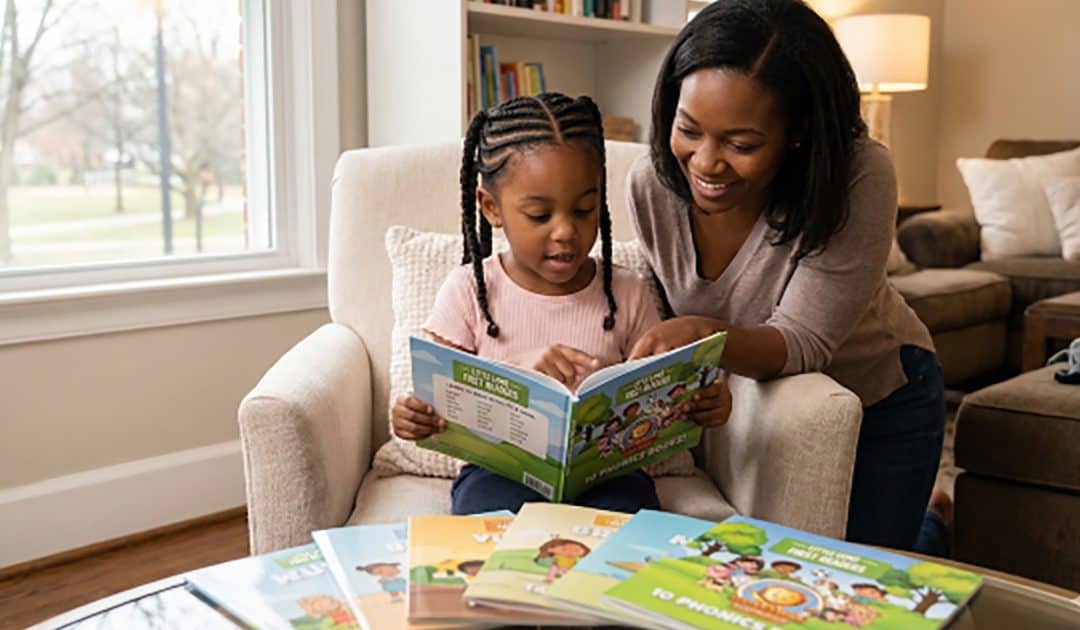
Think of reading skills like building blocks. To build a tall, sturdy tower, every block in the foundation must be perfectly placed. When a child struggles to read, it’s often because a crucial block—like the ability to hear individual sounds in words—is wobbly or missing entirely. Simply trying to build higher won’t work; you have to go back and strengthen that foundation. This guide will help you identify those weak spots and give you the tools to fix them. We’ll explore systematic, multisensory strategies that secure each foundational skill, providing targeted reading help for struggling readers so they can finally build with confidence and see their reading skills soar.
Key Takeaways
- Identify the root of the struggle: Pay attention to specific patterns, like difficulty sounding out words or consistent frustration during reading time. These observations are your first step toward understanding whether the issue is a gap in phonics instruction or a potential learning difference.
- Prioritize a structured, research-based approach: Reading skills must be taught directly and systematically. A program built on the Science of Reading and the Orton-Gillingham method provides the explicit, multisensory instruction that struggling readers need to build a solid foundation.
- Create a unified and positive support system: Consistent collaboration between home and school is essential. Align your goals with your child’s teacher and focus on celebrating effort at home to reduce anxiety, build confidence, and create an environment where your child feels safe to learn.
How to Spot the Signs of a Struggling Reader
It’s one of the toughest questions for a parent or teacher: Is this a normal learning curve, or is something else going on? Every child learns to read at their own pace, but certain patterns can signal that a child needs more targeted support. Catching these signs early is the first and most important step in helping a struggling reader find their footing and build confidence. Paying attention to clues in their schoolwork, their behavior, and their physical reading habits can give you the insight you need to take action. Think of yourself as a reading detective—your observations are the key to unlocking the right kind of help.
Academic Clues
The first place you might notice a reading challenge is in your child’s schoolwork. A key indicator is a weakness in phonological awareness, which is the ability to recognize and work with the sounds in spoken language. For example, a child might struggle to identify the first sound in the word “sun” or have trouble rhyming words. You may also see difficulties with phonics, where they can’t connect letters to their corresponding sounds. This makes decoding, or sounding out new words, feel like an impossible task. These foundational skills are critical, and a deficit in this area is a clear sign that a child needs a more explicit, systematic approach to reading instruction, which is a cornerstone of The Science of Reading.
Behavioral and Emotional Cues
Sometimes, a child’s behavior tells you more than their report card. If reading time consistently ends in frustration, anxiety, or tears, pay attention. Many struggling readers will do anything to avoid reading aloud or completing reading assignments. They might complain of a stomachache, act out to create a distraction, or simply say, “I can’t.” This avoidance isn’t a sign of laziness; it’s often a coping mechanism for a task that feels overwhelming and stressful. These emotional responses can be a significant indicator of an underlying learning difference, such as dyslexia, which makes processing written language incredibly difficult. A child who feels defeated by reading needs compassion and a different path to success.
Physical Signs During Reading
You can learn a lot just by watching and listening to a child read. Do they guess at words based on the first letter or the pictures on the page? Do they read slowly and hesitantly, often losing their place or skipping lines? Struggling readers frequently have trouble sounding out unknown words and may substitute words that look similar, like reading “house” as “horse.” You might also notice them using their finger to track each word, which can be a helpful tool but may also indicate difficulty with visual tracking. These physical signs point directly to challenges with decoding and fluency, which are skills that can be strengthened with a multisensory, structured approach like the Orton-Gillingham method.

Why Some Children Struggle with Reading
When a child has a hard time learning to read, it’s natural to wonder why. The truth is, reading is a complex skill, and a number of factors can create roadblocks for a developing reader. Understanding the root cause is the first step toward finding the right support. From underlying learning differences to the type of instruction they receive, each child’s reading journey is unique. Let’s look at some of the most common reasons children struggle with reading.
Learning Differences like Dyslexia
For many children, reading difficulties are linked to a learning difference. If you notice your child isn’t performing as expected, actively avoids reading, or shows a lot of stress around schoolwork, it could be a sign of something more. Dyslexia is a common language-based learning difference that specifically impairs a person’s ability to read. It’s not about intelligence or a lack of effort; it’s about how the brain processes written language. Children with dyslexia often have trouble with decoding (sounding out words), recognizing familiar words, and spelling, which can make reading feel like an impossible puzzle.
Auditory and Visual Processing Disorders
Sometimes, the challenge isn’t with language itself but with how a child’s brain processes information from their senses. Auditory processing disorders can make it difficult to distinguish between similar sounds, like /b/ and /d/, which is a critical skill for phonics. Similarly, visual processing disorders can affect how a child perceives letters and words on a page, leading to reversals or skipping lines. These processing issues can create significant hurdles in learning to read, even for a child who is trying their best to follow along with instruction.
Gaps in Phonological Awareness
Before a child can read words on a page, they need to be able to hear and manipulate the sounds in spoken words. This skill is called phonological awareness. It includes identifying rhymes, counting syllables, and recognizing the individual sounds (phonemes) that make up words. Research consistently shows that a lack of these foundational skills is a strong predictor of future reading difficulties. Without a solid grasp of how sounds work, a child will struggle to connect those sounds to letters, a process that is essential for learning to read.
Environmental and Instructional Factors
A child’s learning environment and the quality of their reading instruction play a huge role in their success. Not all reading curricula are created equal. Many popular methods don’t provide the explicit, systematic instruction that many children need to build strong decoding skills. When instruction is missing key components or isn’t aligned with the Science of Reading, gaps in learning can form early on. Early screening and effective, evidence-based instruction are key to preventing small struggles from turning into significant challenges down the road.
How Structured Literacy Supports Struggling Readers
When you have a child who struggles with reading, finding the right support can feel overwhelming. The good news is that decades of research have shown us what works. A structured literacy approach isn’t just another method; it’s a framework built on proven science that directly addresses the needs of struggling readers by teaching language skills in a clear, systematic, and cumulative way. It provides the explicit instruction that many children need to build a solid foundation for a lifetime of reading. Instead of leaving progress to chance, this approach gives you a clear path forward, empowering both you and your child with the tools for success.
The Science of Reading in Action
It’s a common misconception that learning to read is a natural process, like learning to talk. For many kids, it’s not. The Science of Reading is a vast body of research that shows how our brains learn to read, and it confirms that reading requires explicit instruction in specific skills. Structured literacy puts this science into practice. Instead of hoping children will absorb reading skills through exposure, this approach teaches them directly. It focuses on everything from recognizing sounds in words (phonemic awareness) to understanding how letters represent those sounds (phonics), ensuring no foundational skill is left to chance.
The Orton-Gillingham Approach
The PRIDE Reading Program is built on the Orton-Gillingham method, a gold-standard approach to structured literacy. Think of it as a detailed, personalized roadmap for reading instruction. It’s systematic, meaning it follows a logical order, starting with the simplest concepts and building from there. It’s also cumulative, so each new lesson reinforces what the student has already learned. This prevents gaps from forming and builds a student’s confidence along with their skills. For a child with dyslexia or other learning challenges, this predictable and consistent structure is exactly what they need to connect the dots and finally make sense of reading.
Engaging the Senses with Multisensory Learning
One of the most powerful parts of a structured literacy program is its use of multisensory learning. This means students learn by engaging their eyes, ears, and sense of touch all at once. Instead of just looking at a letter and saying its sound, a child might trace it in sand, build it with letter tiles, or tap out the sounds in a word. The PRIDE Reading Program’s homeschool curriculum uses tools like dice and highlighter strips to make learning active and engaging. This hands-on approach helps cement concepts in the brain, creating stronger pathways for memory and recall, which is especially effective for struggling readers.
Proven Strategies to Help Struggling Readers
When you have a clear picture of why a child is struggling, you can start using targeted strategies to help them. The right approach provides explicit instruction and builds confidence, turning frustration into progress. These proven methods are grounded in research and designed to support readers exactly where they are, helping them build the skills they need to succeed. By focusing on foundational skills like phonics and providing plenty of opportunities for practice, you can create a clear path forward for any learner.
Master Phonics with Direct Instruction
Strong readers need a solid grasp of phonics—the relationship between letters and sounds. For many struggling readers, this connection doesn’t happen automatically. They need direct, systematic instruction to learn how to decode words. Research shows that identifying and supporting children with weak phonics skills early on is key to preventing future reading difficulties. A structured literacy approach explicitly teaches these letter-sound patterns in a logical order, ensuring no gaps are left behind. Instead of guessing, children learn to apply reliable rules to sound out words, which builds a strong foundation for fluent reading.
Use Decodable Books for Guided Practice
Once a child learns a new phonics pattern, they need to practice it immediately. That’s where decodable books come in. These books are carefully written to include words that use the specific letter-sound relationships the child has just been taught. This controlled practice is incredibly powerful. It allows children to experience success and build confidence by applying their new skills in a real reading context. As one report on reading difficulties notes, providing “opportunities to read newly learned patterns in decodable text” is a critical part of strong core instruction. Using decodable books ensures that practice time is both effective and encouraging.
Embrace Audiobooks and Assistive Technology
While a child works on their decoding skills, it’s important to keep their vocabulary and comprehension growing. Audiobooks are a fantastic tool for this. Listening to a story exposes children to complex language, new ideas, and the simple joy of a good book, all without the pressure of decoding. You can encourage your child to follow along in the physical book as they listen, which helps connect the spoken word to the written one. This multisensory approach reinforces word recognition and keeps them engaged with grade-level material, so their love for stories can flourish while their reading skills catch up.
Build a Rich Vocabulary
Reading is about more than just sounding out words; it’s about understanding them. A rich vocabulary is essential for reading comprehension. For struggling readers, building vocabulary is directly linked to strengthening their phonological awareness—the ability to hear and work with the sounds in language. You can build a child’s vocabulary by talking with them, reading aloud to them every day, and explicitly teaching the meaning of new words. The more words a child knows and understands, the easier it will be for them to make sense of the texts they read, creating a positive cycle of learning and growth.
Build a Strong Home-School Partnership
A child’s reading journey doesn’t happen in a vacuum. The most successful outcomes occur when there’s a strong, collaborative partnership between home and school. When parents and educators work together, they create a powerful support system that helps a struggling reader feel understood, encouraged, and capable. Think of it as building a dedicated team with your child at the center. When everyone is communicating openly and working toward the same goals, it builds consistency and reinforces learning. This partnership is essential for creating a supportive environment where children can truly thrive and build the confidence they need to succeed.
Open Lines of Communication
The foundation of any strong partnership is clear and consistent communication. For parents, this means sharing observations about your child’s reading habits, frustrations, and successes at home. For teachers, it means providing regular updates on classroom progress and the specific strategies being used. Schedule brief, regular check-ins—whether through email, a dedicated app, or short phone calls—to stay connected. The goal is to create a safe and open dialogue where both parties feel comfortable sharing information. This collaboration is key to building a supportive environment where your child feels seen and heard, both in the classroom and at home.
Align Goals and Strategies
To provide the best support, everyone on the child’s team needs to be on the same page. It’s crucial for parents and teachers to work together to align their goals and strategies. If a teacher is using a specific, systematic approach like Orton-Gillingham, it’s incredibly helpful for parents to understand the basics of that method to reinforce it at home. Discuss specific, measurable goals for your child. This ensures the child receives a consistent message and a predictable structure, which is especially important for students who struggle. This alignment prevents confusion and helps accelerate progress by making sure every reading practice session is effective.
Create a Unified Support Team
When a child sees their parents and teachers working together, it sends a powerful message: “We are all on your team.” This unified front can significantly reduce a child’s anxiety about reading and school. When educators and families form strong partnerships, they create a support system that builds consistency and fosters a positive learning environment. Make sure your child knows you and their teacher are talking and working together to help them. This approach transforms the dynamic from one of pressure to one of support, empowering your child to take risks and build confidence in their reading abilities.
Know When to Involve a Reading Specialist
Sometimes, despite the best efforts of parents and teachers, a child may need more specialized support. Knowing when to involve an expert is a critical part of the process. If your child’s progress has stalled, if they show extreme frustration or avoidance when it comes to reading, or if you suspect an underlying learning difference like dyslexia, it may be time to consult a specialist. The PRIDE Reading Specialists are trained to provide targeted, one-on-one intervention. Bringing in a specialist isn’t a sign of failure; it’s a proactive step toward providing your child with the precise tools they need to succeed.
Create a Supportive Reading Environment
A child’s environment plays a massive role in their reading journey. When a child struggles, reading can feel stressful and isolating. Creating a supportive atmosphere, both at home and in the classroom, can transform their entire experience. It’s about more than just having books around; it’s about building a space where your child feels safe to make mistakes, confident enough to try again, and celebrated for their effort. A positive environment reduces the anxiety that often comes with reading difficulties, making a child more open to learning and practice.
This supportive setting isn’t built overnight. It’s the result of consistent routines, thoughtful accommodations, and a steady stream of encouragement. When parents and teachers work together, they can create a seamless support system that surrounds the child with positivity and the right tools for success. This consistency helps reinforce new skills and shows the child that they have a team cheering them on every step of the way. By focusing on the environment, you’re not just teaching a child to read; you’re nurturing a resilient learner who associates reading with connection and achievement, not frustration.
Design a Print-Rich Home
One of the best ways to encourage reading is to make it a natural part of your child’s world. Creating a print-rich environment at home can significantly enhance your child’s reading skills by showing them that words are everywhere and they’re important. This doesn’t mean your home needs to look like a library. Start by making sure you have a variety of reading materials easily accessible—picture books, chapter books, magazines, and even comics. You can also use labels on everyday objects like the “door” or “table” to connect written words to the physical world. Having engaging decodable books on a low shelf or in a special basket makes it easy for your child to pick one up and explore on their own terms.
Establish a Daily Reading Routine
Consistency is your best friend when helping a struggling reader. Establishing a daily reading routine is crucial because it makes practice a predictable and expected part of the day, which can reduce resistance and build momentum. This doesn’t have to be a long, drawn-out session. Just 15 to 20 minutes of focused reading time together each day can make a huge difference. You could read a book together before bed or have your child read to you while you prepare dinner. The key is to make this a protected, positive time free from distractions. This consistent exposure helps improve fluency and reinforces the skills they are learning in their homeschool curriculum or at school.
Implement Classroom Accommodations
For a child who struggles with reading, the classroom can feel overwhelming. Simple accommodations can make a world of difference by removing unnecessary barriers and allowing the student to focus on learning. These adjustments are not about lowering expectations but about leveling the playing field. Classroom accommodations might include giving a student extra time on reading assignments, providing audio versions of texts, or allowing the use of assistive technology. Seating a child closer to the teacher to minimize distractions can also be incredibly effective. When educators use a flexible school district curriculum, they can better tailor instruction and assignments to meet the individual needs of each learner.
Use Positive Reinforcement to Build Confidence
Confidence is a critical, and often overlooked, component of reading success. Struggling readers frequently feel discouraged, which can make them hesitant to even try. Using positive reinforcement helps rebuild their self-esteem and fosters a growth mindset. It’s important to celebrate small achievements and praise the effort, not just the outcome. Did they sound out a tricky word? Did they read a full page without getting frustrated? Acknowledge it! This supportive atmosphere encourages them to take risks and keep practicing. For children with learning differences like dyslexia, this consistent encouragement is essential for building the resilience they need to become confident, capable readers.

Decodable Book
Choose the Right Reading Programs and Resources
Finding the right tools and programs can make all the difference in your child’s reading journey. With so many options available, it’s important to choose resources that are based on proven methods and designed to support struggling readers. The goal is to find a curriculum and supplementary materials that align with a structured, multisensory approach, giving your child consistent and effective instruction both at home and in the classroom. By selecting the right resources, you create a cohesive support system that builds skills and confidence one step at a time.
The PRIDE Reading Program Curriculum
When you’re looking for a comprehensive solution, the PRIDE Reading Program is an excellent choice for children who find reading difficult, including those with dyslexia. It’s built on the highly effective Orton-Gillingham approach, which breaks reading down into simple, manageable steps. The program uses multisensory techniques to engage sight, sound, touch, and movement, which helps solidify concepts for all types of learners. Whether you’re a parent looking for a homeschool curriculum or an educator seeking a program for your school district, PRIDE offers a scripted, easy-to-follow format that ensures you can deliver high-quality instruction without needing specialized training.
Decodable Books and Practice Materials
To put new phonics skills into action, decodable books are a must-have. Unlike predictable books that encourage guessing, decodable texts contain only the letter-sound patterns a child has already learned. This gives them the chance to practice decoding in a controlled, supportive way. As the Massachusetts Department of Elementary and Secondary Education notes, reading success often requires “ample practice with each new spelling pattern and opportunities to read newly learned patterns in decodable text.” Using decodable books and corresponding practice materials builds a child’s confidence and reinforces the idea that they have the tools to figure out words on their own.
Helpful Websites and Digital Tools
Technology can be a fantastic partner in supporting a struggling reader. Interactive apps and websites can make practicing phonics and sight words feel more like a game than a chore. These digital tools can also be a great way for parents and teachers to stay connected on a child’s progress. When educators and families form strong partnerships, they create a unified support system that makes learning more consistent and effective. Look for resources that align with the Science of Reading and offer engaging, research-based activities to supplement your child’s core instruction.
Local and Online Literacy Programs
Sometimes, a child needs more individualized attention than what can be provided in a busy classroom or at home. In these cases, seeking out specialized support can be a game-changer. Collaboration among teachers, parents, and specialists is key to creating an environment where struggling readers can truly thrive. Consider looking into one-on-one tutoring with PRIDE Reading Specialists, who are trained in the Orton-Gillingham method. For a more intensive boost, an Accelerated Summer Program can help close learning gaps and prepare your child for the next school year with renewed confidence and skills.
Track Progress and Adapt Your Strategy
Supporting a struggling reader is a dynamic process, not a one-time fix. What works today might need a little tweak tomorrow. The key is to pay close attention to what’s working and what isn’t, and to be ready to adjust your game plan. Think of yourself as a reading detective, gathering clues and adapting your strategy to solve the case. This flexible approach ensures your child gets the specific support they need right when they need it, helping them build confidence and stay on the path to becoming a successful reader.
Monitor Key Reading Milestones
One of the best ways to know if your strategies are effective is to track progress. Regular check-ins show you where your child is excelling and where they might still need a hand. You don’t need to be a formal examiner; this can be as simple as listening to them read a short passage each week. Are they recognizing more sight words? Is their reading becoming smoother? As experts at Reading Rockets explain, regular assessments help identify where a child is struggling and track their progress over time. A structured program will have built-in assessments, but your own observations are just as valuable for catching small wins and potential hurdles early on.
Recognize When to Ask for More Help
Sometimes, despite your best efforts, a child may continue to struggle. It’s important to trust your gut. If you feel like you’ve hit a wall and your child isn’t making progress, it may be time to bring in extra support. Often, teachers and parents sense an issue long before a formal evaluation confirms it. Waiting for an official report can delay crucial intervention. If your current approach isn’t yielding results, consider speaking with a school psychologist or a reading specialist. Getting an expert opinion or working with trained professionals, like the PRIDE Reading Specialists, can provide the targeted, intensive instruction needed to help your child move forward.
Adjust Your Approach Based on Your Child’s Needs
Every child learns differently, so a one-size-fits-all teaching method rarely works. The magic happens when you tailor your instruction to fit your child’s specific needs. This is often called differentiated instruction, and it simply means being flexible. Maybe your child needs more hands-on, multisensory activities to grasp phonics, or perhaps they thrive with the structured practice found in decodable books. It’s important to remain responsive to each child’s unique challenges. By observing what clicks and what causes frustration, you can fine-tune your strategy, ensuring your child feels supported and capable every step of the way.

Simple Ways to Support Reading Success at Home
Supporting your child’s reading journey doesn’t have to feel like a second job. By weaving simple, positive activities into your daily routine, you can reinforce what they’re learning in their lessons and build their confidence. The key is to keep things light, consistent, and focused on connection. These small moments can make a huge impact on how your child sees themselves as a reader and create a foundation for a lifetime of learning. Here are a few easy ways to get started.
Make Daily Reading Practice Fun
Turning reading practice into a special time you both look forward to can completely change the dynamic. Let your child have a say in what you read, whether it’s a comic book or one of PRIDE’s engaging decodable books. Create a cozy reading nook with pillows and good lighting, making it your dedicated spot. You can take turns reading pages aloud or act out the character voices together. The goal is to replace pressure with playfulness. When reading is associated with warmth, choice, and fun, children are more motivated to practice and see it as a treat rather than a task.
Play Games to Build Phonemic Awareness
Before children can read words, they need to be able to hear the individual sounds within them. This skill is called phonemic awareness, and you can build it easily with simple word games. Because difficulties with decoding often start with weak phonological skills, these games are a powerful way to prevent future reading problems. Try playing “I Spy” using letter sounds instead of colors (“I spy something that starts with the /m/ sound”). You can also clap out the syllables in family members’ names or challenge each other to come up with rhyming words. These quick, screen-free games are perfect for car rides or waiting in line and do wonders for your child’s auditory processing skills.
Encourage a Lifelong Love of Storytelling
Reading is about more than just sounding out words—it’s about understanding and connecting with stories. You can nurture this connection by making storytelling a part of your family culture. Ask your child to tell you about their day, creating a “story” with a beginning, middle, and end. Make up silly stories together, with each person adding one sentence at a time. Listening to audiobooks on the go can also expose them to rich vocabulary and complex plots without the pressure of decoding. By celebrating storytelling in all its forms, you show your child that their ideas and imagination are valuable, which is a core part of what structured literacy aims to build: confident, comprehensive communication.
Related Articles
- Reading Programs for Dyslexia: What You Need to Know – Structured Literacy | Pride Reading Program
- Practical Reading Intervention Strategies for Educators – Structured Literacy | Pride Reading Program
- 10 Telltale Signs of Dyslexia During Home Learning – Structured Literacy | Pride Reading Program
- Effective Reading Strategies for Children with Learning Differences – Structured Literacy | Pride Reading Program
Frequently Asked Questions
My child avoids reading at all costs. Is this just laziness? This is such a common concern, and it almost always points to something deeper than laziness. When a task feels incredibly difficult or overwhelming, avoidance is a natural coping mechanism. For a child who struggles with decoding or processing words, reading can be genuinely stressful and frustrating. Instead of seeing it as a behavioral issue, try to view it as a clue. This resistance is often a sign that they need a different kind of support and a more systematic way to learn so that reading finally starts to make sense.
What’s the difference between regular reading instruction and a “structured literacy” approach? Think of it this way: some reading instruction assumes that children will naturally pick up on patterns if they are exposed to enough books. A structured literacy approach, like the Orton-Gillingham method, leaves nothing to chance. It teaches every single component of reading—from individual sounds to spelling rules—in a very direct, logical, and step-by-step order. Each lesson builds on the last, creating a solid foundation with no gaps, which is exactly what a struggling reader needs to build skills and confidence.
How can I help my child at home without making reading feel like another chore? The key is to lower the pressure and focus on connection. Instead of demanding long reading sessions, try establishing a short, cozy routine, like reading one decodable book together before bed. You can also build critical pre-reading skills by playing simple sound games in the car or while making dinner. When you do practice, be sure to praise your child’s effort and persistence, not just their accuracy. This helps shift the focus from performance to progress, making them feel safe to try.
Are decodable books really necessary, or can my child just read any book they like? Both have their place, but they serve very different purposes. Decodable books are like a training ground. They are specifically designed to include only the letter-sound patterns your child has already been taught, allowing them to practice their new skills successfully and build confidence. Reading other books for pleasure, especially with you reading aloud, is fantastic for building vocabulary and a love of stories. But for independent practice, decodable books ensure your child is applying what they’ve learned instead of guessing.
My child’s teacher and I don’t seem to be on the same page. What’s the best way to start a conversation? Starting this conversation from a place of teamwork is the most effective approach. Rather than beginning with a complaint, try asking questions and sharing your observations. You could schedule a brief meeting and say something like, “I’ve noticed my child gets really frustrated with reading homework, and I’d love to understand what you’re seeing in the classroom. How can we work together to support them?” This frames you and the teacher as a unified team with your child’s best interest at heart, opening the door for a productive partnership.