
by Karina Richland | Jul 17, 2026 | Structured Literacy
English has one of the most complex spelling systems of any language on earth. For English language learners, trying to guess words based on pictures or context clues simply does not work. Implementing structured literacy for English language learners is a highly...

by Karina Richland | Jul 15, 2026 | Structured Literacy
Most classrooms use A-to-Z word walls that favor the teacher instead of the student. This layout assumes children already know how to spell the words they want to find. A sound wall flips this by grouping language around the sounds children hear. A sound wall in...

by Affiliate Wp | Jul 9, 2026 | Structured Literacy
Most students with dyslexia require a reading program that uses a direct, multisensory approach to succeed. Finding the right system is the first step toward building strong literacy skills and student confidence. Orton-Gillingham vs Wilson vs SPIRE is a common search...
by Karina Richland | Jul 3, 2026 | Structured Literacy
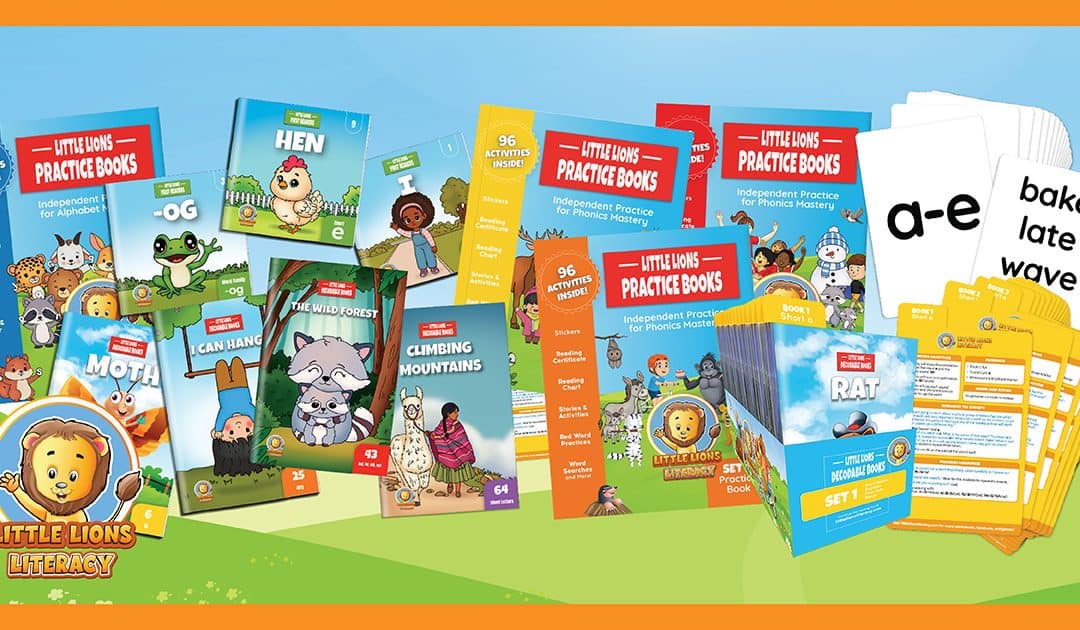
Only thirty-one percent of fourth graders in the United States currently read at a proficient level. Most students need a direct method to master the rules of the English language. This approach provides the roadmap every child needs. Structured literacy is a direct,...
by Karina Richland | Jul 1, 2026 | Structured Literacy
Spelling is often one of the most challenging skills for young learners to master, particularly for those with dyslexia or other learning differences. While reading is a process of decoding written symbols back into spoken language, spelling requires the reverse:...

by Karina Richland | Jun 11, 2026 | Structured Literacy
An irregular word is rarely irregular from its first letter to its last. Students learn it faster when they map the sounds, mark the unexpected spelling, and practice both parts together. How to teach irregular high-frequency words starts with saying the word,...
