
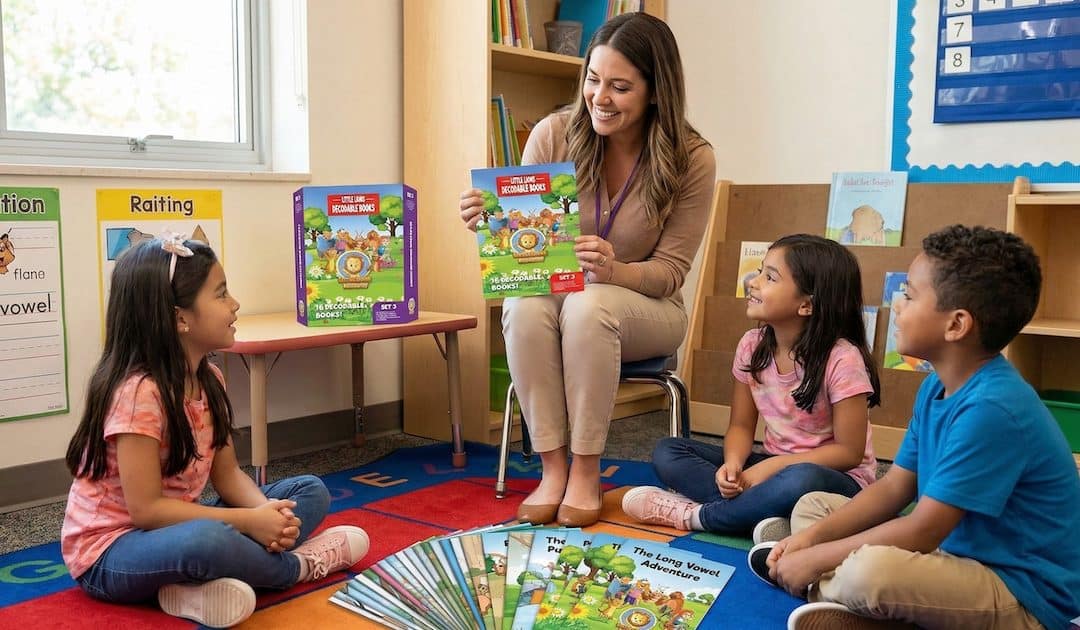
Most students with dyslexia require a reading program that uses a direct, multisensory approach to succeed. Finding the right system is the first step toward building strong literacy skills and student confidence.
Orton-Gillingham vs Wilson vs SPIRE is a common search for parents and teachers who need the best reading tools for students with dyslexia. These programs all use a structured literacy model, but each has its own focus. The Wilson Reading System is mainly for schools and needs a lot of teacher training to work well. SPIRE is also for classrooms and uses many multisensory steps. A study on reading intervention says the Orton-Gillingham approach must be direct, clear, and multisensory. While Wilson and SPIRE are strong tools, the PRIDE Reading Program gives you the same high level of lessons in a simple, scripted format. Parents can use PRIDE at home with no special training while still following the best science.
Finding the right tool starts with knowing the core method behind all these programs. You should see how these systems differ before you pick a path for your student. To help you choose, we will look at the roots and methods of the first system in What Is Orton-Gillingham? We begin by asking
What Is Orton-Gillingham?
Orton-Gillingham is a teaching method used to help people learn to read. It was built in the 1930s by Dr. Samuel Orton and Dr. Anna Gillingham. This approach focuses on teaching the links between sounds and letters. It is a key tool for students who have dyslexia or other word-level reading disabilities. Today, this method is the gold standard for structured literacy principles.
Core teaching principles
The Orton-Gillingham approach is direct and explicit. Teachers show students exactly how the English language works. It uses a multisensory style. This means students use sight, sound, and touch at the same time to learn. This method is also sequential. It starts with simple skills and moves to more complex ones over time. By following a clear order, students can build a strong base for reading success.
This method is both diagnostic and prescriptive. A teacher tracks how a student is doing in each lesson. They then change the next lesson to fit what the student needs to learn. This focus on individual progress is part of the Science of Reading framework. It ensures that no student is left behind as they move through the program.
History and growth
Dr. Orton and Dr. Gillingham first used this method to help with “word blindness.” We now call this condition dyslexia. They wanted a way to make reading clear for those who struggle with standard teaching. Over the last 90 years, their work has spread. Now, many states use dyslexia legislation to require these types of programs in schools.
Today, the approach is used in many different reading systems. Programs like PRIDE Reading, Wilson, and SPIRE all use these core ideas. While each tool has its own style, they all share the same goal. They aim to give students the skills they need to become confident, fluent readers for life.
The Wilson Reading System: Training-Intensive and School-Focused
The Wilson Reading System (WRS) is a well-known program built on structured literacy principles. While it is based on the Orton-Gillingham approach, it has a clear focus on the school setting. Many districts use it as a Tier 3 intervention for students who have not met reading goals with standard classroom tools. Because it is highly structured, it is a top choice for schools that need to meet new state laws. In fact, most states now have dyslexia laws that require schools to use these types of direct, multisensory methods.
Programs for every grade level
The Wilson brand offers different tracks based on a student’s age and needs. For the youngest learners, Wilson Fundations is a program for kids in kindergarten through third grade. It works as a tool to help prevent reading gaps before they start. For older students in grades 4 through 12 who need a faster pace to catch up on decoding, the Just Words program is a common choice. These varied paths help schools use one brand across many grade levels, but each track has its own specific goals.
The core Wilson Reading System (WRS) itself is geared toward students in grades 2 through 12. While WRS can be used for adults, it is most often seen in upper elementary, middle, and high schools. It targets students with a language-based learning disability, such as dyslexia, who need help with word-level reading. By breaking down words into sounds and patterns, it helps these older students build a strong base for literacy.
The training and cost barrier
One of the biggest traits of the Wilson system is the need for deep teacher training. Unlike some programs that are easy to pick up, Wilson requires teachers to go through a long process. This often takes a full year and includes many hours of practice. For a school, this means a large cost in both time and money. For a parent looking for home help, it can be hard to find a tutor who has finished this high level of training. This is why many families find evaluating reading curricula that are more accessible is a smart move.
Because Wilson is so focused on teacher-led sessions, it is rarely used as a self-taught tool. The program works best when a certified teacher leads a small group through the steps. This high bar for entry ensures a high level of quality, but it also limits who can use the program. If you are a parent or a teacher without a full year to spend on training. You may need to look for Orton-Gillingham tools that give you a full script to follow instead. This allows you to start helping your student right away without a big upfront cost.
SPIRE: Classroom Intervention With an Evidence Base
S.P.I.R.E. stands for Specialized Program Individualizing Reading Excellence. It is a well-known tool used to help students who struggle with reading. This program was made for use in a classroom. It provides a clear path for teachers to give extra help to their students. Many schools use it to support kids with dyslexia or other reading gaps. It is a common choice for schools that need a solid plan.
What is SPIRE?
The program follows an Orton-Gillingham approach. This means it uses direct and multisensory methods to teach. Students learn through sight, sound, and touch at the same time. This helps the brain connect letters and sounds in a new way. SPIRE is designed to be a full set of lessons for reading, spelling, and phonics. It uses many levels to guide a student from basic skills to hard words.
One key part of this program is that it focuses on individual needs. Experts agree that reading teaching should be varied to meet the unique goals of each student. This allows a teacher to work with small groups or one child. The lessons move in a slow and steady way. Each skill builds on the one before it so students do not get lost. Teachers use scripts to make sure every lesson is taught the same way.
Evidence of reading success
When picking a new program, schools look for proof that it works. A recent study by LXD Research looked at SPIRE in real classrooms. They studied students in third grade through fifth grade across many schools. The results showed that the program made a big difference in how well students could read. This study gives schools trust in the system and its methods.
The data from this study showed a clear link between the lessons and student scores. Students who finished more lessons had higher literacy scores by the end of the year. The researchers found these results to be very solid. This means the growth was likely due to the program itself. It was not just a result of time or luck. Schools can feel good about using a program with such a strong base of proof.
Using SPIRE in the classroom
SPIRE is built for school use from the ground up. It has a structure with ten levels. This makes it a top choice for effective reading intervention programs in elementary schools. Teachers find the lesson guides easy to use. The program provides all the books and tiles needed for each task. This helps the teacher stay on track during a busy day. It saves time on prep work for the teacher.
Setting up the program does take some work. Schools must think about the cost of the books and the time for teacher training. However, the multi-level design allows it to work for many grades. It can be used for Tier 2 or Tier 3 support. This means it can help students with small gaps or those who need a lot of help. This flexibility makes it a strong option for school districts that want to see all their students succeed in reading.
All About Reading: The Homeschool Favorite
All About Reading (AAR) is a top pick for families who teach at home. It uses an Orton-Gillingham plan but makes it easy for parents to use. Many families pick affordable Orton-Gillingham programs because they work well for home use. AAR fits this need by giving parents what they need to start teaching. They do not need a lot of special training to help their child learn.
Easy lessons for parents
This program breaks reading skills into small steps. This helps kids feel good as they learn. Unlike some school tools that feel dry, AAR uses games and hands-on tasks to keep kids happy. Parents find it helpful because the plans are ready to go. They do not have to spend much time getting ready. This focus on ease is why many parents like evaluating reading curricula that make teaching simple.
Home use vs school tools
AAR is different from tools made for a clinic. While some programs are for older kids, AAR works well for young kids who are just starting. It helps kids with dyslexia by using multisensory and sequential steps that help them read words. But it may not be the best choice for very deep needs that need a pro teacher. For most home days, it offers a good mix of price and quality.
Built for small steps
The program follows a clear path so that no one gets lost. It moves from simple sounds to hard words in a way that makes sense. Each lesson builds on what the child learned the day before. This path is key for kids who struggle because it stops them from feeling bad. By using a slow plan, kids gain the skills they need to read well. It is a solid tool for anyone who wants a home-friendly way to teach reading.
PRIDE Reading Program: The Accessible Sweet Spot
The PRIDE Reading Program serves as an accessible middle ground for those who need a structured, multisensory, and OG-based approach to reading. While many programs need deep training or classroom setups, this curriculum focuses on ease of use without losing its power. It follows the core principles of Orton-Gillingham to help students who struggle with word-level reading tasks.
Structured and Fully Scripted Instruction
One big hurdle with programs like Wilson is the intense training needed for teachers. PRIDE removes this block by giving fully scripted lesson plans. This means a tutor, parent, or teacher can give high-quality help with care right away. The program follows a clear path where each skill builds on the last. It is a strong choice for those evaluating reading curricula for their specific needs.
The lessons are direct and clear. You do not have to guess what to say or how to teach a new sound. Because it is so structured, students get the steady practice they need to master phonics. This makes it one of the most effective reading intervention programs for students who need a clear, steady routine to succeed.
Designed for Many Learning Settings
Founded by Karina Richland, M.Ed., the program reflects over 20 years of work in the field of reading. Unlike SPIRE, which often targets large groups, PRIDE works well in one-on-one sets or small groups. This makes it great for homeschool families and tutors who want a program that is low-cost and easy to use at home.
The course also has built-in tests to track how a student grows. These tools help you see exactly when a child is ready to move to the next level. This way of testing ensures that no student is left behind or moved ahead too fast. It allows for the kind of fit support that is vital for children with dyslexia or other learning needs.
Orton-Gillingham vs Wilson vs SPIRE: Side-by-Side Comparison
Choosing the right reading program is a big choice for any parent or teacher. Many schools now use Orton-Gillingham methods to help students with dyslexia. When you are evaluating reading curricula, you should look for programs that use sight, sound, and touch to teach reading. But each program works in its own way. You should look at the cost, the time for training, and the grade levels before you buy.
Wilson and school based options
The Wilson Reading System is a common choice for schools and clinics. It works well for older students from second grade through adulthood. Wilson also has programs for younger kids, like Fundations for grades K-3. For older students in grades 4-12, they offer Just Words. But Wilson needs a lot of teacher training. This can be a wall for many parents who want to help their child at home.
SPIRE is another strong option used in many classrooms. It uses a clear path to build skills. Research shows that kids who finish more lessons in SPIRE tend to have better reading scores. Like Wilson, SPIRE is often bought by schools in large kits. It works well for small groups but can be pricey for one family.
| Program | Training Required | Grade Range | Cost Level | Best For | Evidence Base |
|---|---|---|---|---|---|
| Wilson (WRS) | Long Training | Grade 2 to Adult | High | Schools & Clinics | Strong school data |
| SPIRE | Teacher Training | Grades K to 8 | Moderate | Classroom Groups | Lesson study |
| All About Reading | No Training | Pre-K to Grade 4 | Moderate | Homeschooling | Parent success |
| PRIDE Reading | Fully Scripted | Pre-K to Adult | Low Cost | Parents & Tutors | OG principles |
Choosing between home and clinic tools
Structured literacy help is vital for kids who struggle with words. Many parents choose home programs because they are low cost and easy to use. Programs like All About Reading are a hit with homeschoolers. They are easy to pick up and start. But some parents feel they lack the clinical depth of a full Orton-Gillingham system. Finding a match between high-quality tools and ease of use is key for most families.
Finding the right fit for your student
Every child learns at their own pace. It is helpful to pick a program that you can change to fit your child’s needs. Differentiation helps you meet the unique goals of each student. You want a system that gives clear steps but does not take months to learn. A fully scripted program lets you start teaching right away with confidence. This helps you focus on your child instead of the lesson plan.
The PRIDE Reading Program offers a complete path for readers of all ages. It follows the same science as Wilson or SPIRE but is much easier to set up. Tutors and parents can use it to give expert help without a degree in reading. This makes it a great choice for those who want professional results in a simple format. It brings the power of a clinic into your home or classroom.
How to Choose the Right Program for Your Child
Choosing a reading program for your child is a big step. You want a method that works for their unique style. Experts agree that reading instruction should be differentiated to meet each student’s needs. This means the best program is the one that fits your child and your home life. Taking the time to compare your options now will save you a lot of stress later.
Start with Your Child’s Needs
Before you buy a kit, look at how your child learns. Do they need a lot of help with sounds? Do they struggle to sit still for a long time? Structured programs work well for kids with dyslexia. In fact, most states have laws that mandate Orton-Gillingham methods in schools. You should find a program that uses these proven ways to teach your child how to read.
Think about what has failed in the past. If your child did not like a fast-paced class, they might need a slower plan. A good program will let you move at your child’s own speed. This helps them feel proud of their work as they gain new skills. You want a tool that builds their trust and makes reading fun again.
Five Steps to Pick the Best Fit
Follow these steps to find effective reading intervention programs for your child. These steps will help you sort through many choices to find the right one.
- Think about your setting. Decide if you will teach at home or use a school plan. Some programs are built for large classrooms. Others are best for parents who want to teach in their own living room at a pace that works for them.
- Check the teacher training. Some methods take weeks of study to learn. Others come with full scripts that tell you exactly what to say to your student. Pick a plan that matches the time you have to learn the new method.
- Set a clear budget. Reading kits range from low cost to very high. Many parents pick Orton-Gillingham tools because they are low cost and designed for home use. Be sure to check for hidden costs like extra workbooks.
- Look at the age range. Make sure the level fits your child’s grade. A plan for a first grader will look very different from one made for a teen or an adult. Using the wrong age level can make a child feel frustrated.
- Try a placement test. Most top programs offer a free test on their website. This helps you start at the right spot so your child does not feel bored or stuck. It is the best way to ensure the program meets them where they are.
Check for Easy Use
A good program should not feel like a chore for you or your child. It should give you the tools you need to help your child right away. Look for lessons that are short and clear. This keeps your child on track and makes your job much easier. When a program is easy to use, you are more likely to stick with it every day.
Make sure the program includes all the items you need. Some kits come with tiles, cards, and books. This saves you from having to buy parts from different shops. A full kit helps you start teaching as soon as the box arrives. This way, your child can start to improve their reading skills without any wait.
Frequently Asked Questions
What is the most successful reading program for dyslexia?
No single program is best for everyone. Most experts agree that the most successful programs follow the Orton-Gillingham approach. According to the National Institutes of Health, this multisensory method is crucial for students with dyslexia. Programs like PRIDE, Wilson, and SPIRE all use this framework. However, they differ in their grade levels and the amount of training a teacher needs. You should pick a program that fits your specific needs and setting.
Is SPIRE good for dyslexia?
Yes, SPIRE is a good tool for students who struggle with reading. It uses a structured literacy approach that follows the Orton-Gillingham method. A study shared by the Education Resources Information Center found that students who completed more SPIRE lessons showed higher literacy gains. It is often used in schools as a tier two or tier three help. While it is very structured, it may need specific training to use the right way in a classroom.
What should parents look for in an Orton-Gillingham reading program?
Parents should look for a program that is both effective and easy to use at home. Many top programs are chosen because they are affordable and made for parents. According to Homeschooling with Dyslexia, the best home options are often those that do not need expensive training. You want a program that is fully scripted so you can teach each lesson with confidence. It should also include multisensory tools to keep your child busy while they learn.
Is Orton-Gillingham or Wilson a better certification?
Both paths are highly respected in the field of reading. An Orton-Gillingham certification often focuses on the broad rules of the method. A Wilson certification is specific to the Wilson Reading System and its books. Both need a large amount of time and money. For those who want to teach without years of training, some programs provide fully scripted lessons. This allows parents and tutors to give high-quality help without needing a formal certificate first.
Ready to find the best reading program for your child?
Waiting to help a child leads to lost time and low self-esteem as the skill gap grows. Every week without a plan makes it harder for a student to catch up with their class. Starting today helps your child close the gap sooner if you act now to request a plan.
Ready to find the right fit for your student and help them succeed in school? Browse the PRIDE Reading Program website to find the best structured literacy curriculum for your child. You can see our full range of lessons and teacher materials to help your child grow. Please contact our team at any time to learn more about how we can help you get started today.