
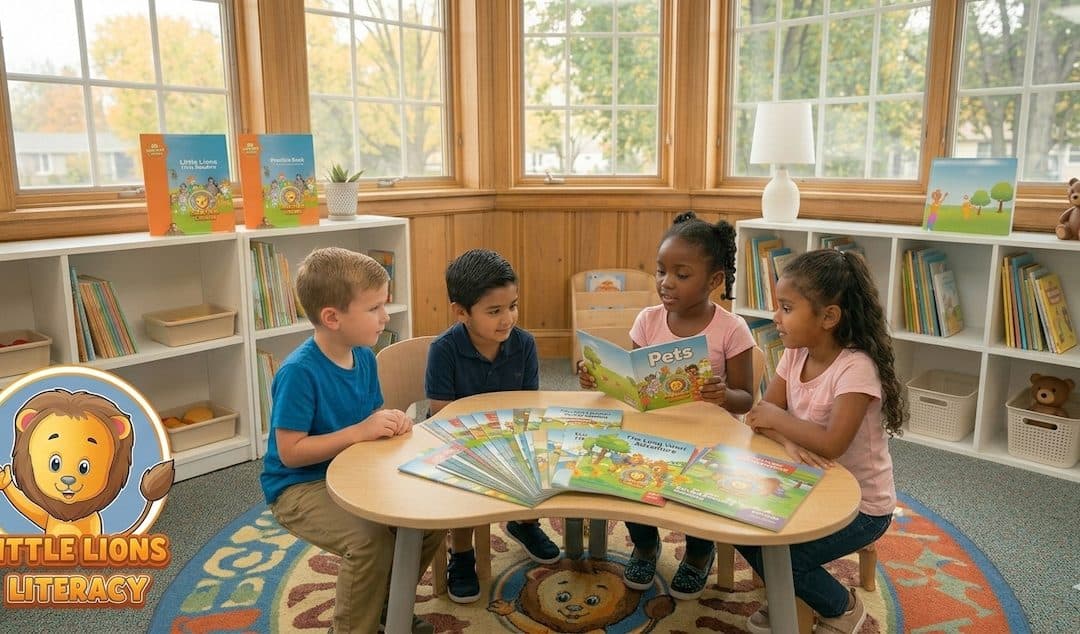
For years, reading instruction often encouraged students to guess words using pictures or context clues. While well-intentioned, we now know this can create poor habits and leave many children behind. The shift toward Structured Literacy is a direct response to what science tells us about how reading skills develop. Instead of hoping children will absorb the rules of language, this approach teaches them directly and systematically. It provides a clear map for decoding words, giving students the tools to read anything, not just words they’ve memorized. This guide explains how structured literacy programs replace outdated methods with a proven, research-backed approach that works for every learner.
Key Takeaways
- Teach the Code, Don’t Encourage Guessing: Structured Literacy provides a clear, step-by-step map for reading by explicitly teaching the relationships between sounds and letters, which is proven to be more effective than methods that rely on context clues.
- It’s a Universal Solution for All Learners: While this approach is non-negotiable for students with dyslexia, its systematic nature builds a stronger, gap-free foundation for every single reader by aligning with how the brain is wired to learn language.
- Successful Implementation Requires a Complete System: To make the switch effectively, look for a comprehensive program that includes ongoing teacher training, multisensory materials, and a clear, cumulative structure to support both educators and students.
What is Structured Literacy?
If you’ve ever felt like teaching reading should be more straightforward, you’re not alone. Structured Literacy is the clear, organized approach you’ve been looking for. Think of it not as a specific program, but as a framework for teaching reading and writing that is grounded in decades of research. It’s a direct response to what science tells us about how the brain learns to read.
At its core, Structured Literacy provides explicit, systematic, and cumulative instruction. This means skills are taught directly, in a logical order, and new concepts build upon previously learned ones. Nothing is left to chance. This approach is especially effective because it aligns with The Science of Reading, ensuring that every student gets the foundational skills they need to become a confident reader. It’s an umbrella term for various evidence-based methods, including the highly effective Orton-Gillingham approach, which is designed to help all learners, especially those who struggle with reading.
The Building Blocks of Structured Literacy
Structured Literacy instruction is carefully designed to cover all the essential components of reading. It’s like building a house—you need a solid foundation before you can put up the walls and a roof. The instruction methodically teaches the five critical building blocks of reading: phonemic awareness (understanding the sounds in words), phonics (connecting sounds to letters), fluency (reading smoothly and accurately), vocabulary (knowing what words mean), and comprehension (understanding the text).
This instruction is always delivered in a way that is systematic and cumulative. Lessons follow a logical sequence, moving from simple concepts to more complex ones. Each new skill builds directly on the one before it, with constant review to make sure nothing is forgotten. This ensures there are no gaps in a child’s learning.
How It Differs from Balanced Literacy
You might be wondering how Structured Literacy is different from other methods, like Balanced Literacy. The main difference lies in how phonics is taught. Older approaches, including Balanced Literacy and Whole Language, often encouraged students to guess words using pictures or context clues. While well-intentioned, this strategy can create poor reading habits and leave many children behind, particularly those with dyslexia.
Balanced Literacy did incorporate some phonics, but it wasn’t always taught in the direct, step-by-step way that struggling readers need. Structured Literacy, on the other hand, eliminates the guesswork. It explicitly teaches students how to decode words by understanding the relationships between letters and sounds, giving them the tools to read any word, not just the ones they’ve memorized.
What Are the Key Components of a Structured Literacy Program?
A Structured Literacy program is like a well-built house. It doesn’t just appear overnight; it’s constructed piece by piece, with each part supporting the others to create a strong, stable structure. This approach breaks down reading into its most essential skills and teaches them in a logical order. Instead of hoping students will absorb how to read through exposure, it provides a clear, direct map for them to follow.
The beauty of this method is that it leaves no room for guessing. Every lesson builds on the one before it, ensuring that students have a solid grasp of one concept before moving on to the next. The core components of a Structured Literacy approach work together to guide a child from making sense of individual sounds to understanding complex stories. These key pieces are phonemic awareness, phonics, fluency, vocabulary, and comprehension. By teaching each of these elements explicitly and systematically, we give every learner the tools they need to become confident, capable readers.
From Sounds to Words: Phonics and Phonemic Awareness
This is where the reading journey begins: with sound. Phonemic awareness is the ability to hear and work with the individual sounds in spoken words. Before a child can read the word “cat,” they need to be able to hear the three separate sounds: /k/ /a/ /t/. Phonics is the next step, where we connect those sounds to written letters. This is the heart of decoding—cracking the code of our written language. A Structured Literacy curriculum teaches these connections directly and in a specific sequence, which is a core principle of The Science of Reading. Instead of memorizing whole words, students learn the system, empowering them to read words they’ve never seen before.
Building Speed and Meaning: Fluency and Vocabulary
Once a child can decode words accurately, the focus shifts to doing it with ease and understanding. Fluency is the ability to read smoothly, accurately, and with expression—like a natural conversation. It’s the bridge between decoding and comprehension. When a reader is no longer struggling with individual words, they can focus their mental energy on what the text means. At the same time, vocabulary instruction is woven into lessons. A student might be able to read the word “enormous,” but the sentence only makes sense if they know what it means. Our homeschool curriculum intentionally builds both fluency and vocabulary through repeated practice and direct teaching.
Understanding the Story: Comprehension Strategies
Comprehension is the ultimate goal of reading. It’s not just about saying the words on the page; it’s about understanding the ideas, characters, and stories behind them. In a Structured Literacy approach, comprehension isn’t saved for last. It’s integrated from the very beginning. As students learn to decode, they practice with texts that use the skills they’ve just been taught. Using tools like decodable books, children can successfully read an entire story, which builds their confidence and allows them to focus on the meaning. Teachers explicitly teach strategies for understanding text, like asking questions, making predictions, and summarizing what they’ve read, ensuring students become active and thoughtful readers.
Who Benefits from Structured Literacy?
You might be wondering if structured literacy is the right fit for your child or your students. The simple answer is that while this approach is a lifeline for some, it’s beneficial for all. Think of it like building a house. You wouldn’t just guess where the support beams go; you’d follow a clear, logical blueprint to make sure the foundation is solid. Structured literacy provides that blueprint for reading, ensuring every learner builds the skills they need on a strong base.
This method is particularly transformative for children who struggle with reading, including those with learning differences. It breaks down the complexities of language into manageable pieces, providing the explicit, step-by-step instruction that some learners absolutely require to succeed. But the benefits don’t stop there. For students who seem to pick up reading easily, structured literacy deepens their understanding of how language works, preventing future gaps and creating more skilled, confident readers in the long run. It’s a comprehensive approach that meets students where they are and gives every single one of them the tools to become proficient readers. It levels the playing field, making literacy accessible to everyone, regardless of their natural aptitude for reading.
Essential Support for Students with Dyslexia
For students with dyslexia, structured literacy isn’t just helpful—it’s essential. Traditional reading instruction often relies on exposure and inference, which can feel like trying to solve a puzzle with missing pieces for a dyslexic learner. Structured literacy, on the other hand, provides every single piece and shows exactly how they fit together. This explicit and systematic instruction directly addresses the way the dyslexic brain processes language. By teaching the rules and patterns of English in a clear, sequential way, it helps forge the neural pathways necessary for reading, building a solid foundation for literacy where one might not develop on its own. It offers the direct support these students need to thrive.
A Clear Path for Struggling Readers
Beyond dyslexia, many children find reading to be a challenge for various reasons. For these struggling readers, structured literacy offers a clear and predictable path forward. Instead of feeling overwhelmed or left behind, students receive the direct instruction they need to build their skills one step at a time. This method removes the guesswork from learning to read. Each concept builds logically on the last, creating a sense of mastery and confidence with every lesson. This is especially powerful for students who have lost faith in their ability to learn. It shows them that reading is a skill they can acquire with the right tools and guidance.
A Strong Foundation for Every Learner
While structured literacy is critical for struggling readers, it provides a stronger foundation for every single learner. The approach is designed to cover all the essential components of reading, from understanding sounds to comprehending complex texts. Because the instruction is so clear and organized, it ensures that no student develops gaps in their learning, which can cause problems later on. This comprehensive method aligns with the Science of Reading, which shows that all brains learn to read more effectively with explicit instruction in the building blocks of language. It sets every child up for long-term reading success.
How Does Structured Literacy Work in the Classroom?
So, what does this all look like when the bell rings? A structured literacy classroom is active, engaging, and incredibly intentional. Instead of hoping students will absorb reading skills through exposure, teachers guide them through every concept with purpose. This approach is grounded in the Science of Reading, which provides a clear map of how the brain learns to read. You won’t see students simply listening to a story and being asked to guess words from pictures. Instead, you’ll see them actively participating in lessons that break down the code of our language.
The instruction is designed to be diagnostic and responsive, meaning teachers constantly check for understanding and adjust their lessons to meet students where they are. This ensures no one gets left behind. The goal is to build a solid foundation of literacy skills, piece by piece, so students develop the confidence and competence to become successful, lifelong readers. It’s a method that transforms the abstract process of reading into a concrete, manageable set of skills. This clarity is especially important for students who find reading challenging, but it truly benefits every learner in the room by making the rules of our language explicit and predictable.
Clear and Direct: Explicit, Systematic Instruction
In a structured literacy lesson, there’s no guesswork. Instruction is explicit, which means the teacher directly and clearly explains every concept. For example, instead of just saying the letter ‘b’ makes the /b/ sound, a teacher will explain how to form the sound with your lips and voice. Instruction is also systematic, meaning skills are taught in a logical, step-by-step order that builds from simple to complex. Students master foundational skills like letter sounds before moving on to blending those sounds into words. This organized approach ensures a deep understanding of how our language works, which is a core principle of any effective structured literacy curriculum.
Engaging the Senses: Multisensory Teaching
One of the most powerful elements of structured literacy is its multisensory approach. This method recognizes that kids learn in different ways, so it engages multiple senses—sight, sound, and touch—to help cement new concepts. A student might see the letter ‘p’, say its sound /p/, and trace its shape in the air or in sand all at the same time. This hands-on, interactive learning creates stronger neural pathways in the brain, making it easier for students to retrieve information later. This technique is a hallmark of the Orton-Gillingham approach and is especially beneficial for students with dyslexia, but it helps all learners build a more solid understanding of language.
One Step at a Time: A Sequential Approach
Structured literacy instruction is cumulative, meaning each new lesson builds directly on the one before it. Think of it like building with LEGOs—you need to connect the bottom pieces securely before you can add the next layer. Teachers constantly review previously taught skills to ensure students retain them and can apply them automatically. This continuous reinforcement is crucial for building reading fluency and confidence. A well-designed homeschool curriculum will have this sequential structure built right in, guiding parents and students through a logical progression of skills. This ensures that learning is both manageable and lasting, preventing gaps from forming along the way.
Does Structured Literacy Actually Work?
So, does it actually work? The short answer is a resounding yes. When you see so many different teaching methods out there, it’s fair to ask what makes one approach more effective than another. The power of Structured Literacy lies in its foundation. It’s not based on guesswork or educational trends that come and go. Instead, it’s a framework built on decades of cognitive science and research into how our brains actually learn to read. This scientific backing is what sets it apart and gives teachers and parents confidence that they are using a proven method.
This approach is especially life-changing for students with reading difficulties like dyslexia, but the truth is, it’s beneficial for all students. Think of it like building a house. You wouldn’t just toss some materials together and hope for the best. You’d follow a clear, logical blueprint to make sure the foundation is solid. Structured Literacy provides that blueprint for reading. It systematically and explicitly teaches the fundamental skills every child needs to become a confident, fluent reader, leaving no room for gaps in their learning. It meets students where they are and gives them a clear path forward, which is a game-changer for both the child and the educator.
The Proof is in the Research: The Science of Reading
Structured Literacy isn’t just a good idea; it’s an approach deeply rooted in The Science of Reading. This extensive body of research shows us exactly what needs to happen in the brain for a person to learn to read. Structured Literacy aligns perfectly with these findings by providing explicit, systematic instruction in everything from sounds and letters to sentence structure and comprehension. Research consistently shows that this method is not only effective for all students but is absolutely essential for those with dyslexia and other language-based learning challenges. It provides the direct, multisensory instruction they need to build strong neural pathways for reading.
Creating Lifelong Readers: Long-Term Results
The goal of any reading instruction should be to create lifelong readers, not just students who can pass a test. This is where Structured Literacy truly shines. By teaching reading in a clear, step-by-step manner, it ensures that students build a solid foundation of skills. This deliberate approach doesn’t assume children will simply absorb how to read on their own. Instead, it provides the continuous, interactive support they need to master each concept before moving on to the next. This process builds not only skill but also confidence, helping students overcome reading challenges and setting them up for academic success across all subjects. They learn how to read, so they can then read to learn.
Common Hurdles to Implementing Structured Literacy
Making the switch to structured literacy is a powerful move for any school or family, but it’s not always a simple flip of a switch. Like any meaningful change, it comes with its own set of challenges. Understanding these common hurdles is the first step toward creating a clear path for successful implementation, ensuring that both educators and students have the support they need to thrive.
Getting Teachers the Right Training
Structured literacy isn’t just a new set of lesson plans; it’s a different way of teaching reading. This approach requires the deliberate and explicit instruction of every concept, from the smallest sounds to the most complex sentences. It relies on continuous student-teacher interaction, which means educators need specialized training to understand the structure of language and how to teach it effectively. Teachers who are new to this method need more than a brief overview; they need comprehensive professional development that equips them to deliver the kind of instruction that The Science of Reading has proven to work.
Bridging the Gap from Training to Practice
Even with excellent training, there can be a disconnect between learning the theory and applying it in a busy classroom. A weekend workshop can be inspiring, but educators often return to their schools wondering how to fit these new routines into their daily schedule. This is where a strong implementation plan becomes critical. Without ongoing support, coaching, and a clear framework, it’s easy for teachers to revert to old habits. The goal is to make structured literacy a seamless part of daily instruction, not just another initiative that fades over time.
Finding the Right Curriculum and Resources
Once a school or district commits to structured literacy, the next challenge is sifting through the many available programs. Administrators and teachers need to find a high-quality curriculum that is truly systematic, sequential, and explicit. A great program should provide all the necessary materials, from teacher guides to student practice books and decodable readers, so educators aren’t left to create resources from scratch. Choosing a comprehensive, easy-to-implement curriculum is one of the most important decisions you can make to ensure your structured literacy initiative succeeds.
How to Overcome Implementation Challenges
Making the shift to a structured literacy approach is a big step, but it’s one of the most powerful moves you can make for your students. While any change comes with its own set of hurdles, they are entirely manageable with a clear plan. The key is to be proactive and focus on the systems that support your teachers and students through the transition. Successfully bringing a structured literacy program into your school or classroom isn’t just about buying a new set of books; it’s about building a new foundation for instruction. This involves giving teachers the deep knowledge they need to be effective, using student progress to inform every lesson, and creating a school-wide culture of collaboration and support. By focusing on these three areas—training, data, and community—you can turn potential challenges into opportunities for incredible growth and ensure your implementation is a lasting success. It’s about creating an ecosystem where both teachers and students have the tools they need to thrive, turning the science of reading from theory into tangible, everyday results in the classroom. This holistic approach addresses the root causes of implementation struggles and sets the stage for deep, sustainable change.
Invest in Comprehensive Teacher Training
Structured literacy requires teachers to deliver instruction that is explicit, systematic, and highly interactive. This is a skill that needs to be developed through high-quality, ongoing professional development. A one-off workshop isn’t enough. Teachers need comprehensive training that equips them with a deep understanding of the “why” behind the Science of Reading and the “how” of delivering multisensory lessons. Effective training empowers educators to teach every concept deliberately, ensuring no student is expected to learn foundational skills on their own. When teachers feel confident in the material and methods, they can create engaging learning tasks that meet every child at their level. This investment in your teachers is a direct investment in your students’ success.
Use Data to Guide Instruction
Data is your roadmap for instruction. In a structured literacy framework, regular assessment isn’t about assigning grades; it’s about gathering critical information to guide your next steps. By consistently monitoring student progress, you can identify exactly which skills a child has mastered and where they need more support. This allows you to tailor your teaching, provide targeted intervention, and ensure every student is moving forward. A strong structured literacy curriculum will have diagnostic and progress-monitoring tools built right in. Using this data helps you translate research into daily practice, making informed decisions that respond directly to your students’ needs. It takes the guesswork out of teaching and ensures your instruction is as efficient and effective as possible.
Build a Supportive School Community
No teacher should feel like they are on an island. Implementing a new literacy approach can be challenging, and practitioners often feel isolated when trying to share their knowledge. That’s why building a supportive school community is essential. This starts with administrators who champion the initiative, provide necessary resources, and foster a culture of collaboration. When teachers, literacy coaches, and school leaders work together, they can share successes, troubleshoot problems, and maintain consistency across classrooms and grade levels. Creating dedicated time for professional learning communities (PLCs) or team meetings allows educators to learn from one another and refine their practice. This collaborative environment not only supports teachers but also strengthens the entire program, making the change sustainable for years to come.
How Can Parents Support Structured Literacy at Home?
When your child is learning to read through a structured literacy approach at school, your support at home can make a world of difference. You don’t need to be a reading expert to help. By creating a positive and encouraging environment, you can reinforce what they’re learning in the classroom and help build their confidence. It’s all about becoming a partner in their literacy journey, turning practice into play, and celebrating every small step forward. Here are a few simple, effective ways you can support your child’s progress at home.
Reinforce Skills with Fun Activities
Structured literacy is a very organized way of teaching that breaks reading into manageable pieces, from understanding sounds to reading fluently. You can turn these skills into fun games at home. Try “sound tapping” where you say a word like “cat” and tap out each sound—/c/ /a/ /t/. Or use magnetic letters on the fridge to practice building words. An activity called phoneme-grapheme mapping, where kids connect sounds to letters in a grid, can be done easily on a small whiteboard. The key is to keep it light and engaging. Using decodable books for story time allows your child to practice their new skills with books designed for their success.
Partner with Your Child’s Teacher and School
Your child’s teacher is your greatest ally. Since structured literacy involves very direct and intentional teaching, staying connected with the classroom is key. Open a line of communication to understand which specific sounds, letters, or concepts your child is working on each week. Ask the teacher for suggestions on how you can reinforce those skills at home. This ensures that you’re both using the same language and methods, which creates consistency for your child. This partnership helps your child see that their team—at school and at home—is working together to help them succeed as a reader.
How to Choose the Right Structured Literacy Program
With so many reading programs out there, finding the right one can feel overwhelming. The key is to look past the flashy marketing and focus on the core methodology. A true Structured Literacy program, especially one based on the Orton-Gillingham approach, will have specific, non-negotiable components. Knowing what to look for and which questions to ask will help you cut through the noise and choose a curriculum that sets your learner up for success.
What to Look for in an Orton-Gillingham Curriculum
When you’re evaluating a program, start by checking if it’s built on the Orton-Gillingham approach. This isn’t just a brand name; it’s a specific, evidence-based method. A quality curriculum will be explicit and systematic, teaching concepts in a logical, step-by-step order from simple to complex. It should also be cumulative, meaning each lesson builds on the last, with constant review to ensure mastery. Look for programs that use direct, multisensory instruction to keep students engaged. This hands-on approach helps cement learning by involving sight, sound, and touch, which is especially critical for students with learning differences. A complete homeschool curriculum will offer everything from alphabet and decodable books to practice materials.
Key Questions to Ask Before You Choose
Before committing to a program, arm yourself with a few key questions. First, ask: Is the curriculum explicitly aligned with the Science of Reading? The program should be transparent about its research-based foundation. Next, inquire about its scope: Does it cover all six elements of a Structured Literacy approach? A comprehensive program addresses everything from phonology to syntax. Also, consider who the program is for. While beneficial for all, a curriculum designed specifically for students with dyslexia will provide the necessary depth and pacing. Finally, what kind of support is available? The best curriculum includes robust training and resources for teachers and parents to ensure it’s taught correctly and effectively.
Related Articles
- Choosing the Right Science of Reading Curriculum – Structured Literacy | Pride Reading Program
- What Is Structured Literacy? The Ultimate Guide – Structured Literacy | Pride Reading Program
- 5 Best Reading Programs for Dyslexia: A Full Review – Structured Literacy | Pride Reading Program
- Practical Reading Intervention Strategies for Educators – Structured Literacy | Pride Reading Program
Frequently Asked Questions
Is Structured Literacy only for students with dyslexia? While Structured Literacy is absolutely essential for students with dyslexia, it’s a powerful approach for every single learner. Think of it like this: some people need a ramp to get into a building, but a ramp makes the building more accessible for everyone. This method provides a clear, direct path to reading that prevents gaps from forming in any child’s education, setting them all up with a stronger foundation.
How is this different from just teaching phonics? That’s a great question. While phonics is a critical piece of the puzzle, Structured Literacy is the entire framework. It goes beyond just connecting letters to sounds by teaching all the components of reading—like understanding sounds in spoken words, building vocabulary, and developing comprehension—in a very specific, logical, and cumulative order. It ensures every skill is mastered before the next one is introduced, creating a complete and solid structure for reading.
I’m worried this approach might be boring for my child. Is it all just drills? It’s easy to think “structured” means “boring,” but it’s actually the opposite. The lessons are designed to be highly interactive and multisensory, engaging kids through sight, sound, and touch. Students might trace letters in sand, use colored blocks to build words, or tap out sounds. The real magic is that this approach builds confidence. When kids feel successful and see their own progress, their motivation and engagement naturally follow.
Can I use a Structured Literacy program at home if my child’s school doesn’t? Yes, you absolutely can. Many parents choose to supplement their child’s school instruction with a comprehensive homeschool curriculum at home. Providing this consistent, systematic instruction can make a significant difference, especially for a child who is struggling. The key is to use a program that is easy to follow and provides all the materials you need to teach effectively and build your child’s skills and confidence.
How can I tell if a reading program is truly based on Structured Literacy? Look for a curriculum that is open about its foundation in the Science of Reading and the Orton-Gillingham approach. A true Structured Literacy program will be explicit, meaning it directly teaches every concept, and systematic, meaning it follows a logical order. It should also be cumulative, with each lesson building on the last, and incorporate multisensory activities. A quality program won’t leave anything to chance or expect your child to learn to read through exposure alone.