
by Karina Richland | Sep 29, 2026 | Science of Reading
If you have ever wondered why some children pick up reading with ease while others struggle year after year, the science of reading holds the answer. Decades of research from cognitive scientists, linguists, and reading specialists have given us a clear picture of how...

by Karina Richland | Jul 10, 2026 | Science of Reading
Only 31 percent of fourth graders read well enough for their grade level. This gap forces leaders to find a curriculum that works as the reading market grows to eight billion dollars. Picking the right tools is a critical step for students.Reading intervention...

by Karina Richland | Jul 5, 2026 | Science of Reading
Less than one-third of American fourth graders can read at a proficient level today. This crisis gained national attention through Emily Hanford’s “Sold a Story” podcast, which exposed how many children were never taught to decode words. The debate...
by Karina Richland | Jul 2, 2026 | Science of Reading
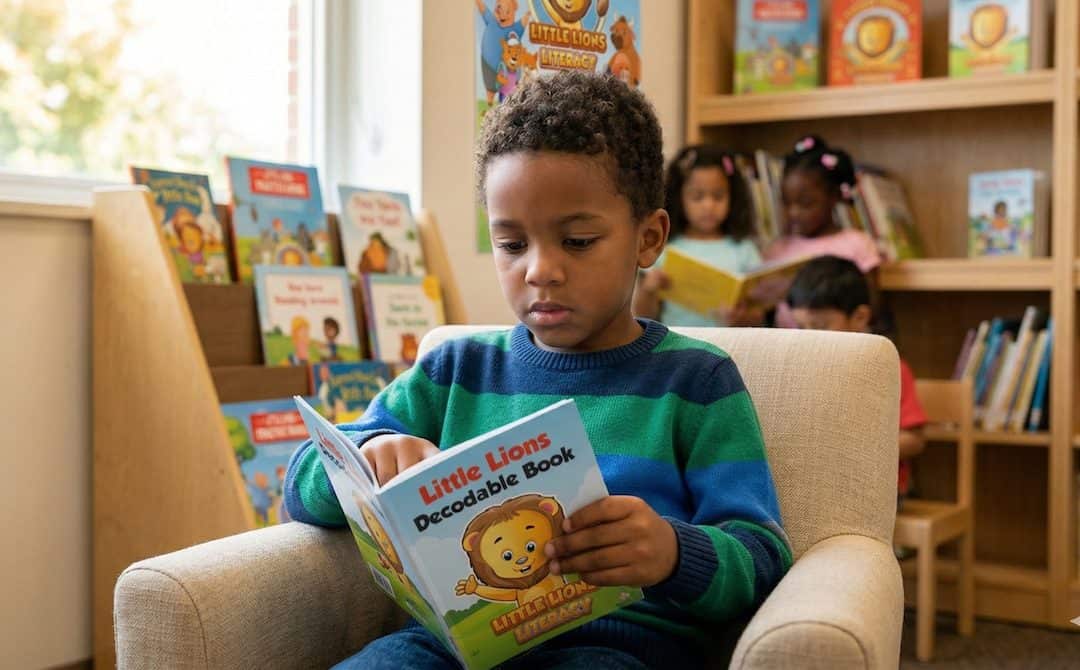
A child who decodes every word perfectly can still fail a reading comprehension test. This struggle happens because reading requires many skills to work together as one. This is a core part of the Science of Reading framework. Explore the PRIDE Reading Program to see...
by Karina Richland | Jun 9, 2026 | Science of Reading
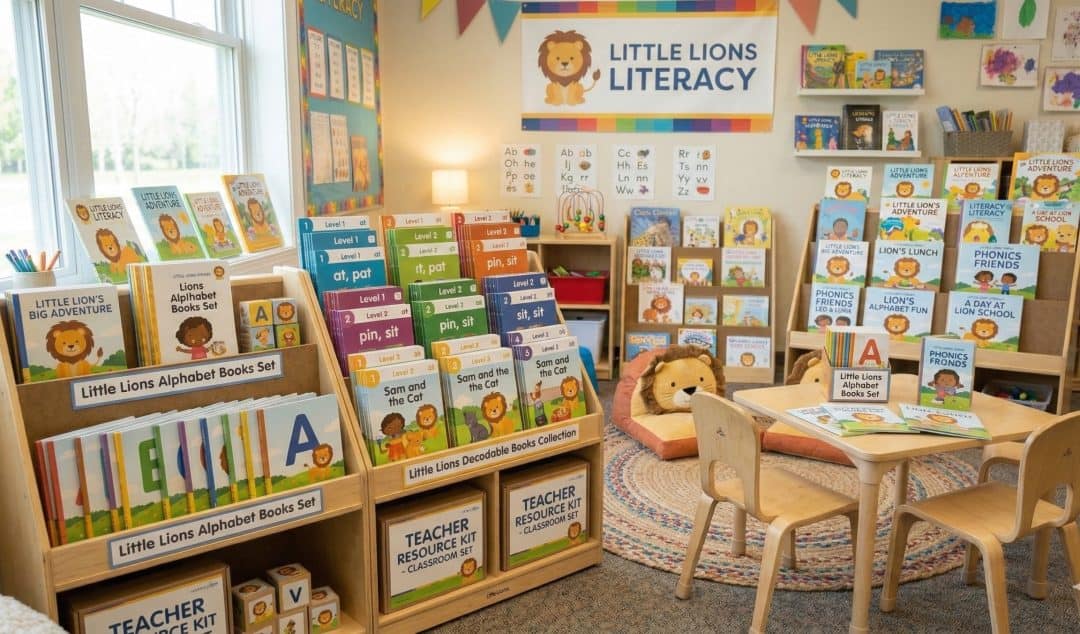
A child may read every word on a page yet struggle to explain what the passage means. Another child may understand a story read aloud but stumble when trying to read it independently. Scarborough’s Reading Rope helps parents and educators understand why. Skilled...
by Karina Richland | Jun 4, 2026 | Science of Reading
Choosing reading intervention programs for elementary students is not just a curriculum decision. It is a time, staffing, training, and student outcome decision. The right program should help teachers know exactly what to teach, how to teach it, how students will...
