
PRIDE Blogs
Here at PRIDE Reading Program, our goal is to provide parents, tutors, and teachers with tips, resources, and positive encouragement!

How to Teach Reading Using the Orton-Gillingham Approach
Learn how to teach reading with Orton-Gillingham. This guide covers OG principles, lesson structure, and practical strategies for educators and parents.

Dyslexia Signs: 8 Warning Signs Every Parent Should Recognize
Learn the most common dyslexia signs in children, from letter reversals to slow reading fluency. Spot warning signs early and get the right support.

Wilson Reading System: A Practical Comparison Guide
Understand the Wilson Reading System, its intensity and lesson model, and how to compare it with Orton-Gillingham options for learners, families, and schools.

Dyslexia Treatment: What Reading Support Can Do
Learn what dyslexia treatment can and cannot mean, how structured literacy supports reading instruction, and how parents can choose next steps.

Explaining Dyslexia to Parents: A Supportive Guide
Learn how to explain dyslexia to parents and children with strengths-based language, helpful questions, and supportive next steps at home and school today.

Online Reading Tutor Cost: A Family Budget Guide
Learn what shapes online reading tutor cost, what fees may include, and how to compare live tutoring with a structured literacy curriculum at home.

Scripted Reading Curriculum: A Balanced Guide
Learn how a scripted reading curriculum supports consistent phonics instruction, where it can fall short, and how to evaluate lessons for your learners.

List of Research Based Reading Interventions for Schools
Use this list of research based reading interventions to match student needs, intensity, delivery settings, progress monitoring, and district support.

Scientifically Based Reading Programs: A District Guide
Learn how districts can evaluate scientifically based reading programs for alignment, assessment, teacher training, materials, and implementation support.

Structured Phonics Program: What to Look For
Evaluate a structured phonics program by reviewing its sequence, cumulative practice, sound-symbol instruction, decodable reading, and lesson support.

Reading Programs for Parents: A Practical Home Guide
Compare reading programs for parents and learn how structured literacy, Orton-Gillingham lessons, placement, and progress checks support reading at home.

Phonics Instruction Materials: A Practical Guide
Choose phonics instruction materials with a clear sequence, decodable text, multisensory practice, and Science of Reading alignment for home or school.

Reading Curriculum for Special Needs: A Parent Guide
Choose a reading curriculum for special needs with practical tips on structured literacy, Orton-Gillingham, multisensory lessons, and matching learner needs.

The Best Spelling Homeschool Curriculum for Dyslexia
Compare spelling homeschool curriculum for dyslexia and learn how structured, multisensory lessons help families choose a practical fit.

Reading Fluency Intervention Programs for Every Learner
Discover what reading fluency intervention programs are, why fluency matters, and how multisensory Orton-Gillingham practice builds automatic reading.

How to Teach Reading to a Child with Autism
Teaching a child with autism to read can feel overwhelming at first. Many parents and educators wonder where to begin, which methods will work, and how to keep a child engaged through the process. The good news: children on the autism spectrum can and do learn to...
Dyslexia Signs: 8 Warning Signs Every Parent Should Recognize
If your child struggles with reading and you have a gut feeling that something is not quite right, you are not alone. Dyslexia is the most common learning disability in the United States, affecting roughly 1 in 5 children. According to the International Dyslexia...

Phonological Awareness vs Phonemic Awareness
Phonological awareness vs phonemic awareness can sound like a technical distinction, but it is one of the most practical differences for helping a child learn to read. Phonological awareness is the broad ability to hear and work with the sound structure of spoken...

How to Teach Reading Using the Orton-Gillingham Approach
Many children struggle to read, and teachers and parents often wonder what they can do differently. The Orton-Gillingham approach is one of the most effective methods for teaching reading, especially for students with dyslexia or other reading difficulties. Rooted in...
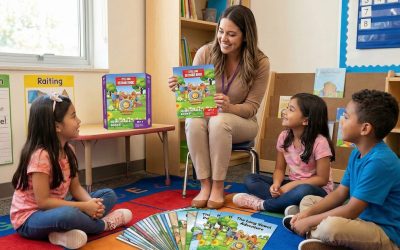
Multisensory Learning: How It Transforms Reading Instruction
Many students struggle with reading not because they lack intelligence, but because traditional instruction only activates one or two sensory pathways at a time. Multisensory learning changes this by engaging sight, sound, touch, and movement together, building...
Reading Programs for Schools: How to Evaluate and Choose the Right One
Selecting a reading program for your school or district is one of the highest-stakes curriculum decisions you will make. The program you choose shapes how thousands of students learn to decode words, build fluency, and develop comprehension skills they will carry for...
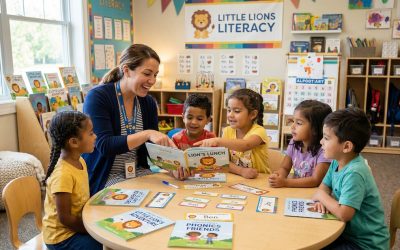
Orton-Gillingham Scope and Sequence Guide
Orton-Gillingham Scope and Sequence: What Skills Should Come First? When a child is struggling to read, the order of instruction matters as much as the instruction itself. An Orton-Gillingham scope and sequence gives parents, tutors, and teachers a clear path for...
Reading Intervention Strategies That Actually Work: An Evidence-Based Guide
When a student struggles to read, the solution is rarely "more of the same." Effective reading intervention requires targeted, research-backed strategies matched to the specific skill gaps each child faces. Whether you are a classroom teacher, reading specialist, or...

How to Choose the Right Orton-Gillingham Tutor for Your Child
How to Choose the Right Orton-Gillingham Tutor for Your Child Choosing an Orton-Gillingham tutor can feel overwhelming when your child is already frustrated with reading. You want someone who understands dyslexia, teaches phonics in a clear sequence, and helps your...
Sight Words vs. Heart Words: The Key Difference
If you have been teaching reading for any length of time, you have probably heard both terms tossed around: sight words and heart words. They sound similar, and many parents and teachers use them interchangeably. But they are not the same thing, and understanding the...

Phonemic Awareness Activities for Struggling Readers
When a child struggles to read, the root cause often traces back to one foundational skill: phonemic awareness. This is the ability to hear, identify, and manipulate the individual sounds (phonemes) in spoken words. Without it, decoding written text becomes a guessing...

Syllable Division Rules: A Complete Guide with Examples
When a child encounters a long, unfamiliar word, what happens? They freeze. They guess. They skip it entirely. Syllable division rules give students a reliable strategy for breaking those intimidating words into smaller, manageable chunks they can actually decode....
What Is Explicit Instruction in Reading? A Teacher’s Guide
If you have ever watched a student struggle to sound out a word, only to guess based on the first letter or the picture on the page, you have seen what happens when reading skills are left to chance. Explicit instruction in reading is the opposite of leaving things to...
Reading Fluency Passages: Repeated Reading Without Guessing
Repeated reading is one of the most studied fluency routines in literacy research, yet it is also one of the easiest to get wrong. Pull a passage that is too hard, ask a child to read it three times, and you will not build fluency. You will train guessing,...

How to Test Your Child’s Reading Level at Home
You have a gut feeling that something is off with your child's reading. Maybe homework takes twice as long as it should, or your child avoids picking up books altogether. The problem is, you are not sure whether your child is truly behind or just going through a...