
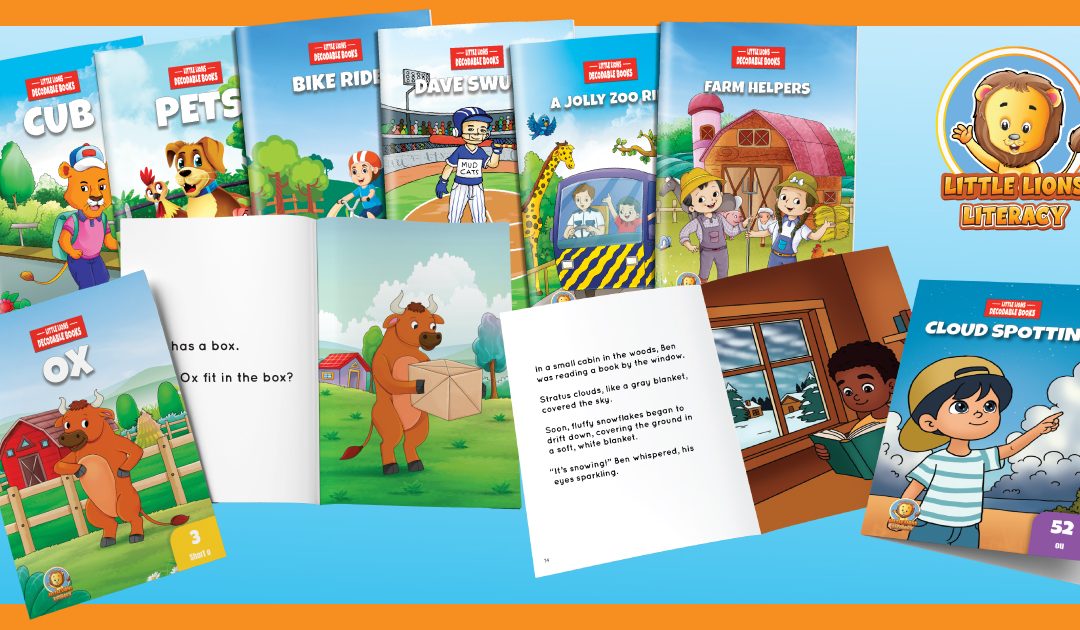
If your child guesses words from pictures, memory, or the first letter, more reading time will not fix the problem by itself. The right book matters because children need text they can sound out with the phonics skills they already know.
Shop PRIDE decodable books or take the placement assessment to choose practice that matches your child’s current skills.
Quick answer: Learning how to use decodable texts starts with matching the book to your child’s taught phonics patterns. Ask your child to look at each spelling, say the sounds, blend the word, and reread the sentence. Keep picture clues for conversation after the word has been decoded.
Parents often want reading practice to feel natural and encouraging. That is a good goal. But for a child who is still learning to decode, encouragement must point back to the print. Decodable books make that possible because most words are built from sound-spelling patterns the child has already practiced.
This guide explains how to choose the right passages, what to say during reading, and how to build a simple home routine. It also shows when to step back, when to reread, and when to use PRIDE’s placement tools and decodable books for a better match.

How to use decodable texts without encouraging guessing
Quick answer: Use decodable texts by keeping your child’s eyes on the printed word. Ask for sounds, blending, and rereading before you talk about pictures or meaning.
A decodable text is not just an easy book. It is a controlled practice tool. The words are chosen so children can apply the phonics skills they have already been taught. That is why decodable books are so useful for children with dyslexia, beginning readers, and any student who needs structured literacy practice.
The purpose of decodable reading
The goal is not to memorize a story. The goal is to connect letters with sounds until word reading becomes more accurate and automatic. When a child reads a decodable passage, each word gives them a chance to practice the alphabetic principle.
Research in the Education Resources Information Center describes how decodable text can encourage children to use decoding strategies. That matters because children who guess may look fluent for a moment, but they are not building dependable word-reading habits.
What guessing sounds like
Guessing often sounds harmless. A child may say a word that fits the picture, the first letter, or the sentence. The problem is that the child has not checked every spelling pattern in the word.
For example, a child may see ship and say sheep because both words begin with sh. A good correction is not, “Look at the picture.” A better correction is, “Check the vowel. What sound does i make here?”
Prompts that build decoding
| When this happens | Avoid saying | Say this instead |
|---|---|---|
| Your child stops at a word. | Look at the picture. | Point to the first sound. |
| Your child guesses from one letter. | Close enough. | Check every letter. |
| Your child skips a word. | Keep going. | Go back and blend it. |
| Your child reads a word wrong. | Try what makes sense. | Does that match the spelling? |
These small wording changes help your child understand the job. Readers look at the print first. Meaning matters, but decoding comes before guessing from context.
Choose decodable books by phonics skill, not grade level
Quick answer: A good decodable book matches the sound-spelling patterns your child has already learned. If the text includes too many new patterns, choose an easier book.
Many parents start with age or grade level because that is how most children’s books are labeled. For struggling readers, that label can be misleading. A second grader may still need short vowel practice, while a younger child may already be ready for blends or silent e words.
Why level labels can mislead parents
Leveled readers often mix many spelling patterns in one short book. They may also rely on repeated sentence frames and picture clues. That can make the book feel readable, even when the child is leaning on memory.
Decodable books work differently. They limit the word patterns so your child can use taught skills. This gives you a clearer view of what your child actually knows.
How to check the match
Before reading, look at a few words in the passage. Ask whether your child has been taught the main vowel pattern, digraph, blend, suffix, or syllable type. If the answer is no, the book may not be the best choice yet.
- Use short vowel books when your child is still building CVC word accuracy.
- Use digraph books after sounds like sh, ch, th, and wh have been taught.
- Use long vowel books only after the matching pattern has been taught.
- Use multisyllable books when your child can handle syllable division.
The PRIDE placement assessment helps parents find the right starting point. Once you know the level, you can choose books that match the lesson sequence instead of guessing from grade labels.
When to step back
If your child misses several words on one page, the book is probably too hard. That does not mean your child failed. It means the text is giving practice before the skill is ready.
Step back to a book with more familiar patterns. Reread it for accuracy and confidence. Then teach or review the missing pattern before returning to the harder text.
How to use decodable texts in a 15-minute routine
Quick answer: Keep practice short, predictable, and print-focused. Review the target sound, read a small section, correct with decoding prompts, and finish with a quick reread.
A home routine does not need to feel like a full lesson. Most children do better with a calm 15-minute practice time than with a long session that ends in frustration. The structure matters more than the length.
Step 1: Review the target pattern
Start by naming the sound or spelling pattern in the book. If the passage practices short a, say that before reading. If it practices sh, have your child read two or three sh words first.
This warm-up prepares your child for the work inside the passage. It also helps you notice whether the pattern is ready for connected reading.
Step 2: Preview only a few words
Do not preteach every word. If you do, the activity can become memorization. Choose only two or three words that may be tricky, then ask your child to sound them out.
Keep this preview brief. The real practice should happen while your child reads the actual text.
Step 3: Read, prompt, and reread
- Ask your child to read one sentence or page.
- If they stop, point back to the word.
- Ask for the known sound or spelling pattern.
- Have your child blend from left to right.
- Reread the sentence for smoother reading.
Rereading is important because the first read may sound slow. Your child is working hard to decode. A second read helps the sentence sound smoother and more meaningful.
Step 4: Stop while practice is still productive
Stop before the session turns into a battle. If your child is tired, accuracy usually drops. End with one sentence your child can read successfully, then praise the specific decoding work you saw.
What should I say when my child gets stuck?
Quick answer: Point to the word and ask for the sounds. If your child still cannot read it, model the word, then have them reread the sentence.
The stuck moment is where many guessing habits begin. Parents naturally want to help, so they give a clue from the picture or sentence. That may solve one word, but it does not teach the child how to decode the next word.
Use neutral correction
Stay calm and specific. You might say, “That word would make sense, but let’s check the letters.” This keeps the correction safe while still requiring your child to use the print.
Then point under the spelling pattern. Ask, “What sound does this make?” Once your child says the sounds, guide them to blend the whole word.
Know when to model the word
A child should not struggle for several minutes on one word. If they have tried the sounds and still cannot blend it, model the word. Say the sounds clearly, blend them, and ask your child to repeat.
After that, have your child reread the sentence. This puts the corrected word back into real reading and helps your child keep the meaning.
Use errors as information
Repeated errors tell you what to review. If your child misses short vowels, review short vowels. If your child misses digraphs, return to digraph practice. The error is not a character problem. It is a teaching clue.
Take the PRIDE placement assessment if you are unsure which pattern your child should practice next.
Troubleshooting common home reading problems
Quick answer: Most problems come from a mismatch between the book, the prompt, and the child’s current skill. Shorten the routine, lower the level, or review the missing pattern.
Decodable reading should feel focused, not frantic. If your child resists, guesses, or reads very slowly, look for the cause before pushing ahead. A small adjustment can make the practice useful again.
Problem: My child memorizes the book
Memorization can look like reading because the child says the words smoothly. To check, write a few words from the book on cards. If your child cannot read the words out of order, they may be using memory.
Use a new decodable passage with the same phonics pattern. You can also cover pictures during the first read. Discuss pictures after decoding, not before.
Problem: My child reads too slowly
Slow reading is normal when a child is learning a new pattern. Accuracy comes before speed. Ask for a reread only after your child has decoded the words correctly.
If every word feels hard, the passage is too difficult. Move back to an easier decodable text and rebuild automatic reading with familiar patterns.
Problem: My child gets frustrated
Frustration usually means the session is too long, the book is too hard, or corrections feel negative. Shorten the practice time and praise the exact behavior you want. For example, say, “You checked every sound before you blended.”
Do not use decodable reading as a test every day. Use it as practice. A child learns best when the challenge is real but still manageable.
Build a home library that supports real decoding
Quick answer: A useful home library has books organized by phonics pattern. Your child should be able to read most words with the skills already taught.
A shelf full of books is not always the same as a helpful reading plan. The best home library gives your child the right text at the right time. That means fewer random books and more carefully matched practice.
What to look for in decodable books
Look for books that clearly state the phonics patterns they practice. The book should use many words your child can sound out. It can include a small number of irregular high-frequency words, but those should be taught before reading.
The PRIDE guide to decodable readers explains why these books are different from predictable readers. PRIDE’s decodable books are designed to support structured phonics practice at home.
How to rotate books
Keep current books in one basket and review books in another. Current books practice the skill your child is learning now. Review books keep older skills strong and help your child feel successful.
When your child can read a current book accurately and smoothly, move it to the review basket. Then choose the next book that matches the next taught pattern.
How to connect books with PRIDE lessons
PRIDE Reading Program is built around structured, Orton-Gillingham-based instruction. The lesson sequence matters because each new pattern builds on earlier skills. Matching decodable books to that sequence helps parents avoid gaps.
If you are not sure where to begin, use the placement assessment first. Then choose a PRIDE level and book set that matches your child’s actual decoding skills.
Frequently Asked Questions
Why are decodable texts better than guessing from pictures?
Decodable texts require children to use the letters and sounds they have been taught. Picture guessing can help a child say a word in one story, but it does not build the habit of checking the print.
How long should my child read decodable texts each day?
Start with 15 to 20 focused minutes. A short daily routine is usually more effective than one long session. Stop earlier if accuracy drops or frustration rises.
Should my child reread the same decodable book?
Yes. Rereading helps accurate decoding become smoother. The first read is often slow because your child is working through the words. The second read can build fluency and confidence.
What if my child keeps missing the same pattern?
Return to direct practice with that phonics pattern. Use word lists, sound cards, or an easier decodable book before trying the harder passage again.
How do I choose the right PRIDE decodable book?
Begin with the PRIDE placement assessment. Then choose decodable books that match your child’s current level and lesson sequence.
Ready to choose the right decodable books?
The best reading practice is not random. It is matched, structured, and calm. When you know how to use decodable texts, you can help your child stop guessing and start building real word-reading confidence.
Shop PRIDE decodable books or take the free placement assessment to find the right starting point today.